
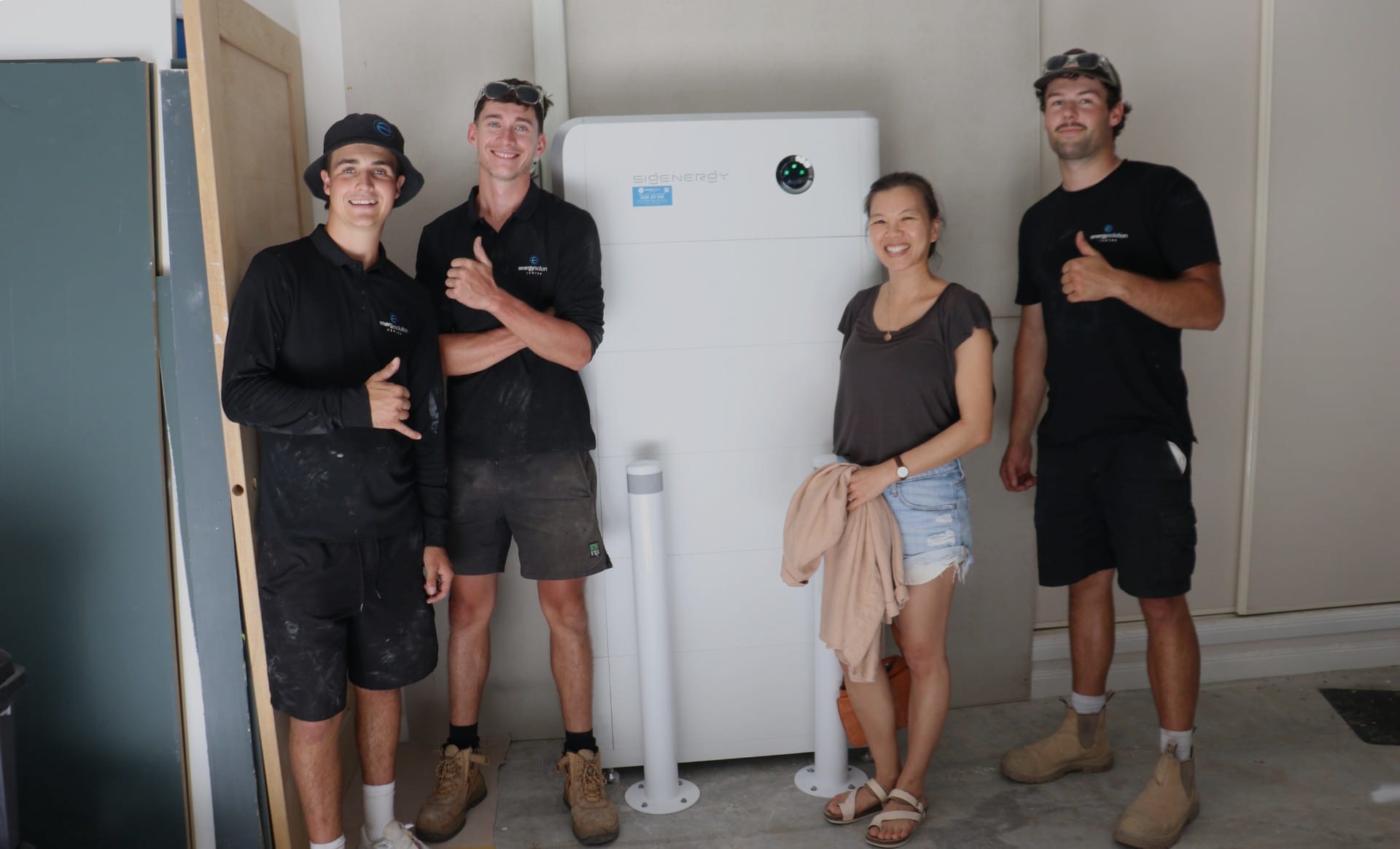

Gold Coast Solar Battery Rebate: Complete Guide (2026)
The Gold Coast solar battery rebate is delivered through the Australian Government's Cheaper Home Batteries Program, administered by the Clean Energy Regulator under the Small-scale Renewable Energy Scheme (SRES). Right now, it's offering Gold Coast homeowners up to $16,500 in upfront savings ($330 to $340 per usable kilowatt-hour) before the rebate structure changes on May 1, 2026.
That number is real and it's available today. But it comes with a deadline. From May 1, a tiered model replaces the current flat rate, and larger battery systems receive substantially less per kilowatt-hour of support. If you've been thinking about adding battery storage to your existing solar system, or planning a complete solar and battery installation, the timing matters.
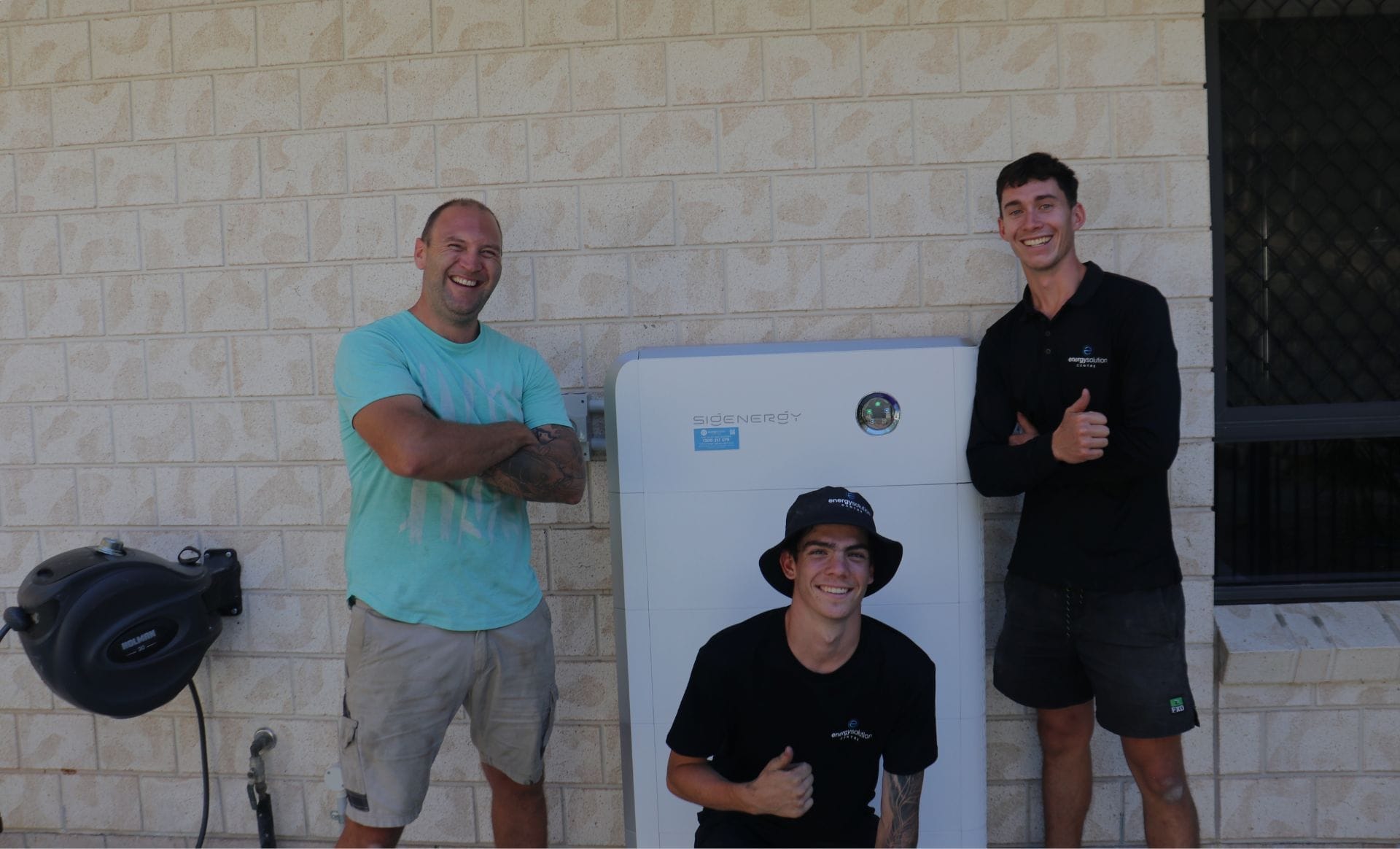
At Energy Solution Centre, we're a Gold Coast-based, CEC-accredited installer operating from our Nerang showroom.
We've been processing rebate claims and designing battery systems for households across the Gold Coast, from Broadbeach to Burleigh and Nerang to Tamborine Mountain, since the program launched on July 1, 2025.
This guide covers everything local homeowners need: how the rebate works, current values, who qualifies, what changes in May, and what Gold Coast battery storage actually delivers beyond the upfront savings
How the Gold Coast Solar Battery Rebate Works
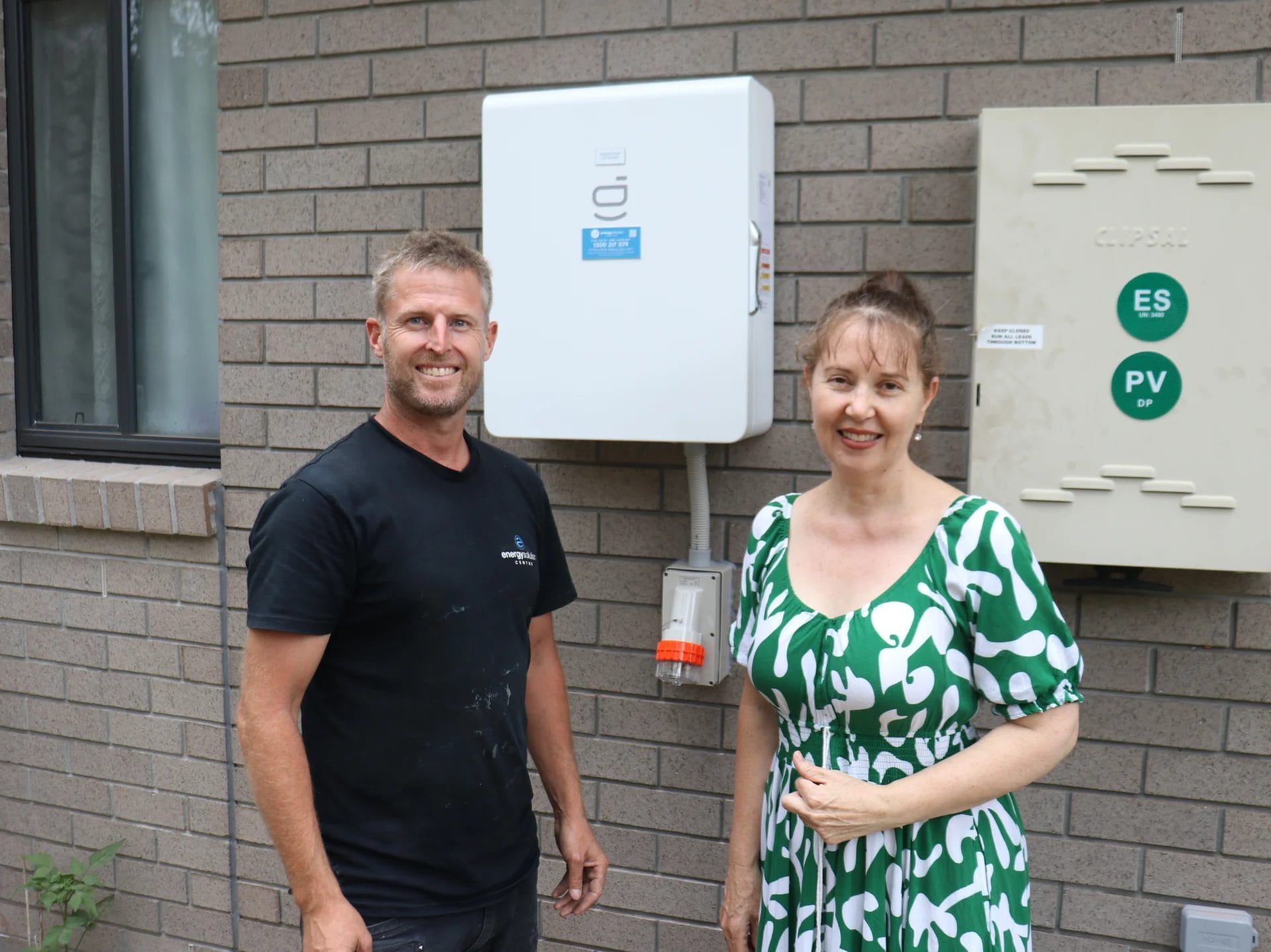
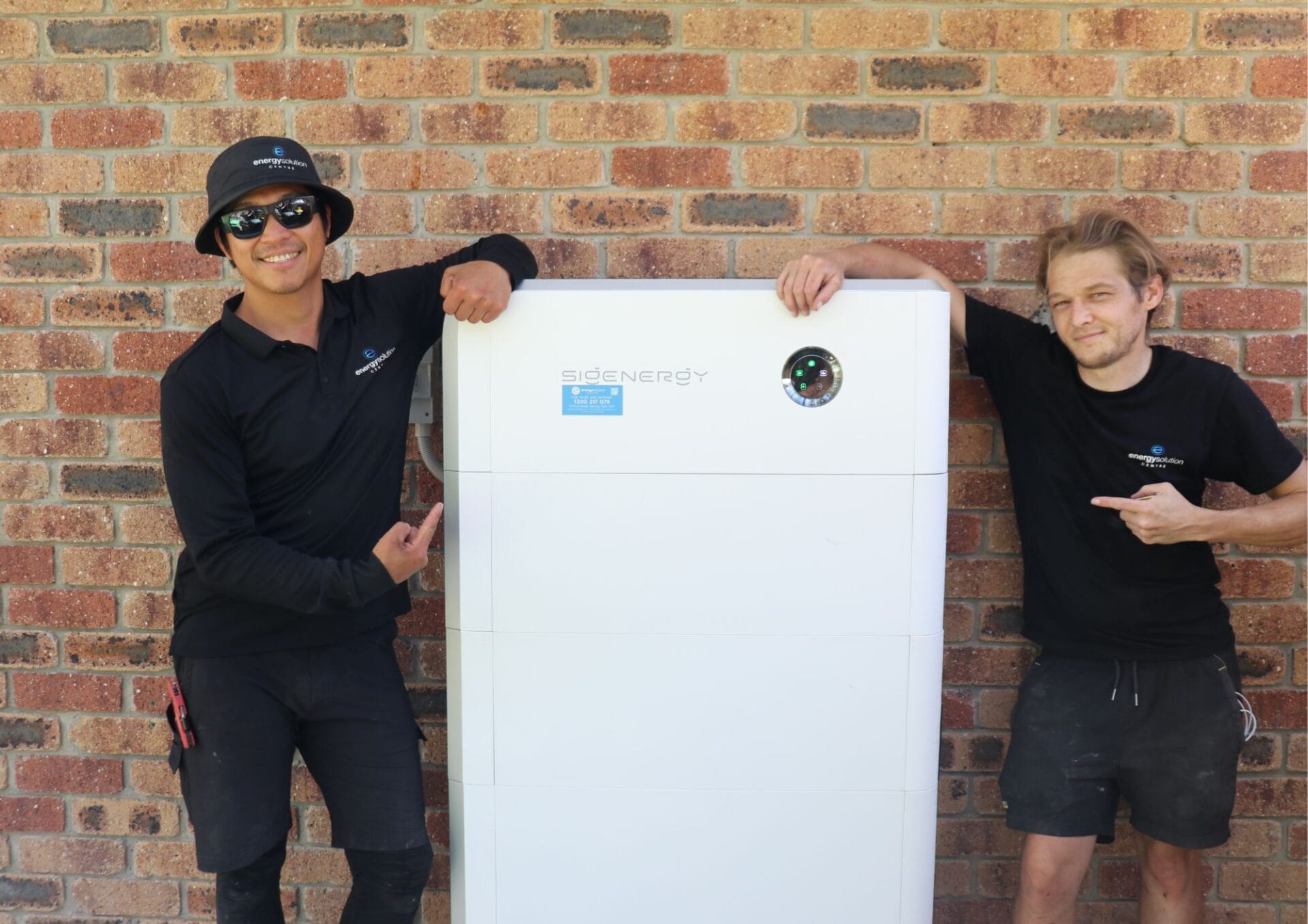
The federal battery rebate operates through a certificate mechanism rather than a direct government payment. When you install an eligible battery, your accredited installer generates Small-scale Technology Certificates (STCs) based on your battery's usable capacity (not its nominal rating, more on this distinction below).
Those STCs are then assigned to a registered agent, who purchases them at market value and passes the saving back to you as a point-of-sale discount.
This means you don't apply separately, fill out government forms, or wait for a rebate cheque. Your installer handles the STC paperwork, and the rebate is automatically deducted from your installation invoice.
How STC Value Is Calculated
The dollar value of your rebate is determined by three variables: your battery's usable capacity in kilowatt-hours, the current STC deeming factor applied to battery systems, and the spot price of STCs on the open market.
Currently, the nominal value sits at approximately $372 per usable kWh, with applied savings of $330 to $340 per kWh after administrative costs. The rebate applies to usable capacity up to 50 kWh.
Usable Capacity vs Nominal Capacity: Why It Matters
Battery manufacturers advertise nominal (total) capacity, but rebates are calculated on usable capacity, which is the portion of stored energy you can actually draw on without damaging the battery.
A battery marketed as 13.5 kWh nominal may have 13.5 kWh usable (like the Tesla Powerwall 3), while others may have a meaningful gap. Always confirm usable capacity with your installer before calculating your expected rebate value.
NEED HELP WITH SOLAR BATTERY REBATES?
Drop by our Nerang showroom or explore our solar battery solutions . Our team can explain eligibility, usable capacity, and rebate outcomes for your home.
Call us on 1300 217 079 or contact us here for obligation-free advice.
Current Gold Coast Solar Battery Rebate Values (Pre-May 2026)
The table below shows current applied savings for common battery sizes. These figures represent what Gold Coast homeowners are receiving right now through CEC-accredited installers who manage the STC claim process correctly.
Battery Size
Savings Estimate
Post-May 2026 Value
Popular For
10 kWh
$3,300+
~$3,300 (unchanged)
Small homes, couples
13.8 kWh
$4,500+
~$4,500 (unchanged)
Standard family homes
20 kWh
$6,600+
~$4,620 (tiered)
Larger homes, pool owners
27 kWh
$9,000+
~$5,600 (tiered)
High-usage, backup priority
50 kWh (max)
$16,500+
~$7,200 (tiered)
Multi-system properties
What Changes From May 1, 2026 — The Tiered Structure Explained
From May 1, 2026, two structural changes reshape the Gold Coast solar battery rebate, and both favour homeowners who act sooner rather than later.
Change 1: Six-Monthly Step-Downs Replace Annual Reductions
Under the pre-May rules, the STC deeming factor stepped down once per year. From May 1, it steps down every six months and at a faster rate. This means every six months of delay reduces your rebate. The decline is no longer gradual and annual, it is accelerated and compounding through to 2030.
Change 2: Tiered Rebate by Battery Size Replaces Flat Rate
Rather than applying the same STC factor across all usable capacity, the new structure applies different rates to different capacity brackets:
- 0–14 kWh of usable capacity: 100% of the STC factor (~$330–340/kWh)
- 14–28 kWh of usable capacity: 60% of the STC factor (~$200–205/kWh)
- 28–50 kWh of usable capacity: 15% of the STC factor (~$50–55/kWh)
The intention is to encourage appropriately-sized battery systems rather than oversizing to maximise rebate value. Smaller batteries maintain strong per-kWh support. Larger systems remain eligible, but at tapered rates per bracket.
Real Gold Coast Example: 20 kWh System
A 20 kWh battery installed before May 1 receives the flat rate across all 20 kWh: approximately $6,600. The same battery installed after May 1 receives 100% on the first 14 kWh and 60% on the remaining 6 kWh, approximately $4,620 total. That's nearly $2,000 less for the same battery, from the same program, just for waiting past the deadline.
LOOKING TO CLAIM THE SOLAR BATTERY REBATE ON THE GOLD COAST?
Book a free consultation to check your eligibility, understand usable capacity, and see how much rebate your home could receive. Our local team manages the process end to end and delivers compliant solar and battery solutions across the Gold Coast
Gold Coast Solar Battery Rebate Eligibility: Do You Qualify?
The federal program has no income test and no means test. Homeowners, small businesses, and community organisations across the Gold Coast all qualify - provided your system meets the following criteria. Use this as a self-qualification checklist.
✓
Requirement
ESC Can Help If...
✓
CEC-accredited installer (we hold QLD Electrical License 90260)
Always met — ESC is fully CEC-accredited
✓
CEC-approved battery and inverter products
We only install CEC-listed brands: Tesla, Sigenergy, Sonnen, BYD, GoodWe, Sungrow
✓
Usable battery capacity between 5 kWh and 50 kWh
We'll confirm usable capacity (not just nominal) before quoting
✓
Connected to a rooftop solar PV system (new or existing)
Works with existing solar — we'll check compatibility at no cost
✓
VPP-ready system (joining a VPP is not mandatory)
All systems we install meet VPP-readiness requirements
If you can tick all five, you qualify. Call us on 1300 217 079 or book a free site assessment and we'll confirm eligibility within the first conversation, no obligation required.
Special Cases: Off-Grid Gold Coast Properties
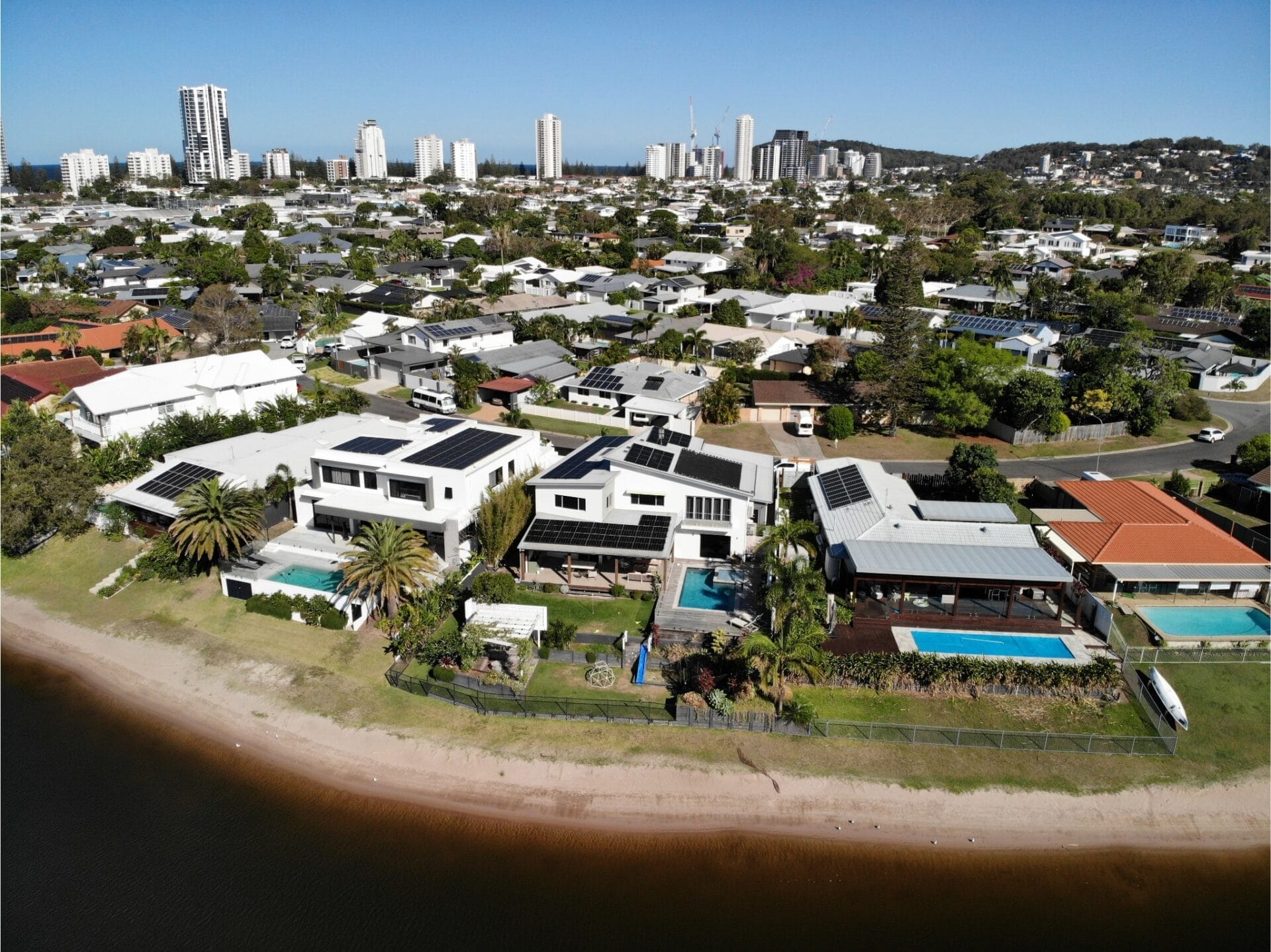
Off-grid properties in the Gold Coast hinterland, areas more than 1 km from mains grid, or where connection costs exceed $30,000, can still access the federal rebate. VPP-readiness requirements don't apply in these cases.
This is particularly relevant for properties in the Tamborine Mountain, Canungra, and Beaudesert hinterland areas. You can also claim one rebate per property. If you own multiple Gold Coast properties with rooftop solar, each qualifies for its own battery rebate claim.
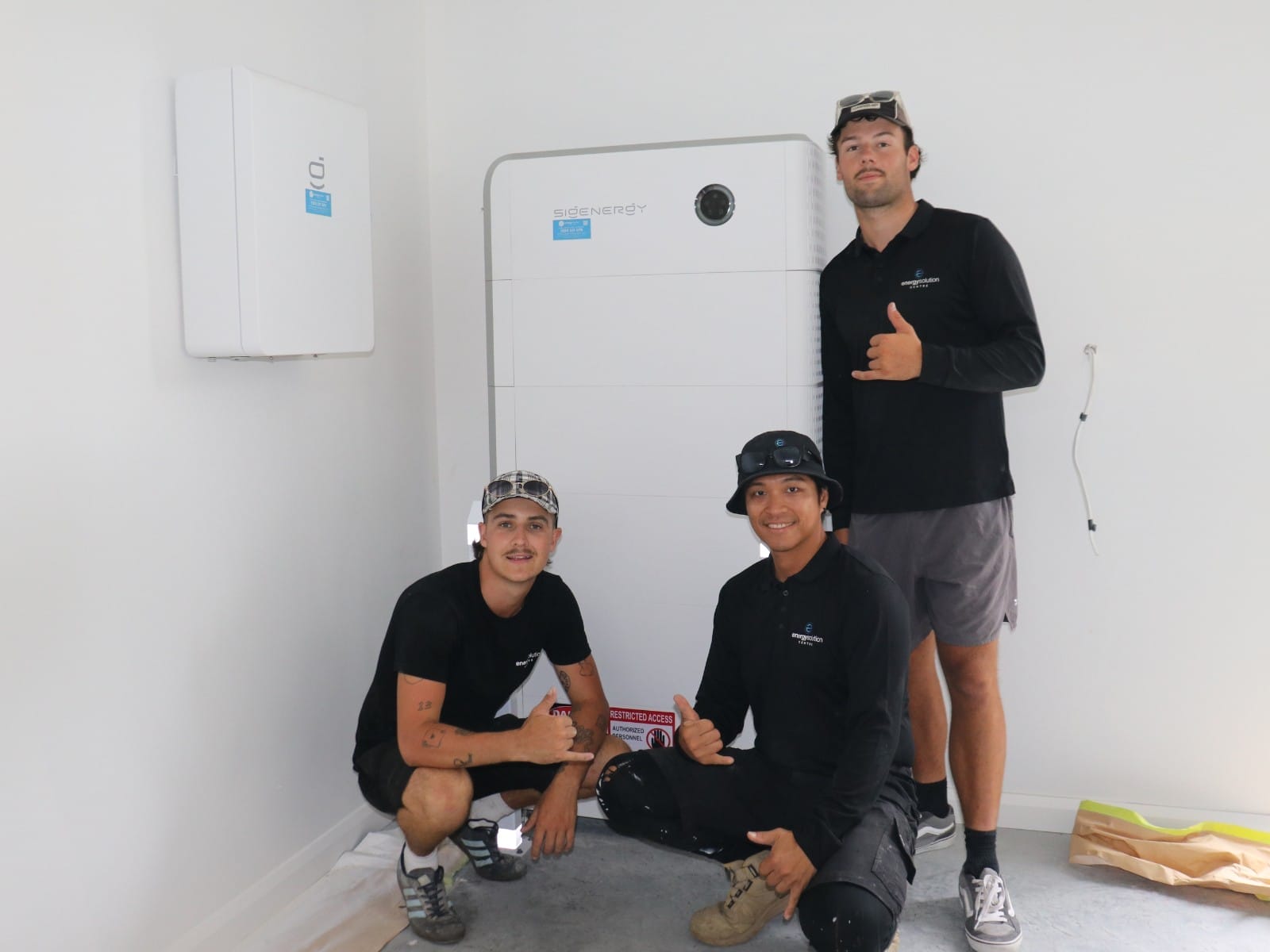
Why Battery Storage Makes Sense on the Gold Coast
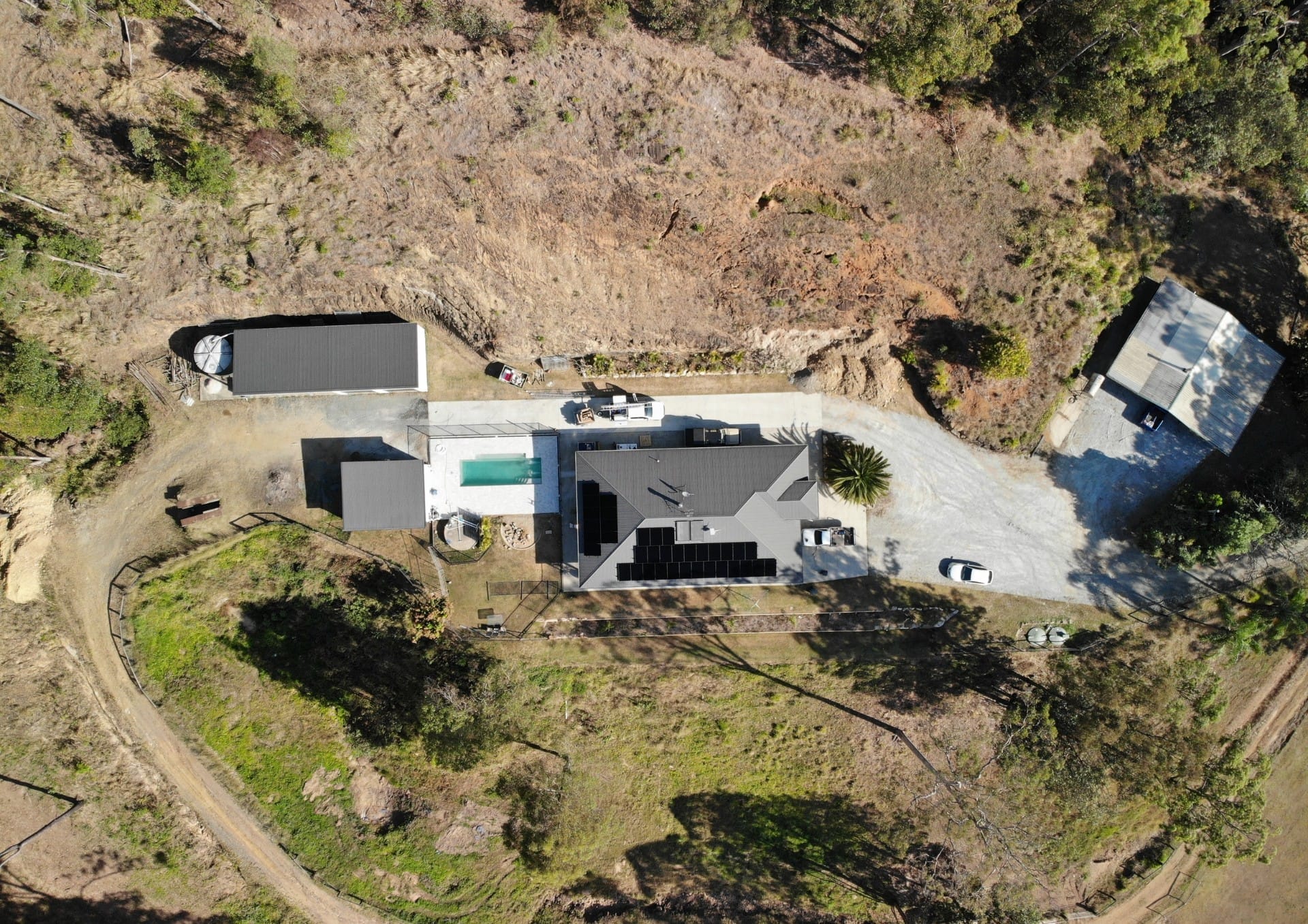
For Gold Coast homeowners, the case for battery storage is built on three local realities that don't apply in the same way elsewhere in Australia.
1. Energex Peak Tariffs and Time-of-Use Pricing
Energex, the Distribution Network Service Provider (DNSP) for southeast Queensland, operates time-of-use tariff structures where network usage charges are significantly higher during peak demand windows, typically 3pm to 9pm on weekday afternoons and evenings.
Grid-connected solar panels generate most of their output between 9am and 3pm, exactly the window when you're least likely to be home using that energy. Without a battery, that solar generation is exported to the grid at a low feed-in tariff.
With a battery, you store it and deploy it during Energex's peak window, avoiding the highest-cost grid charges. Our typical Gold Coast customers save $1,200 to $1,800 annually through this shift alone.
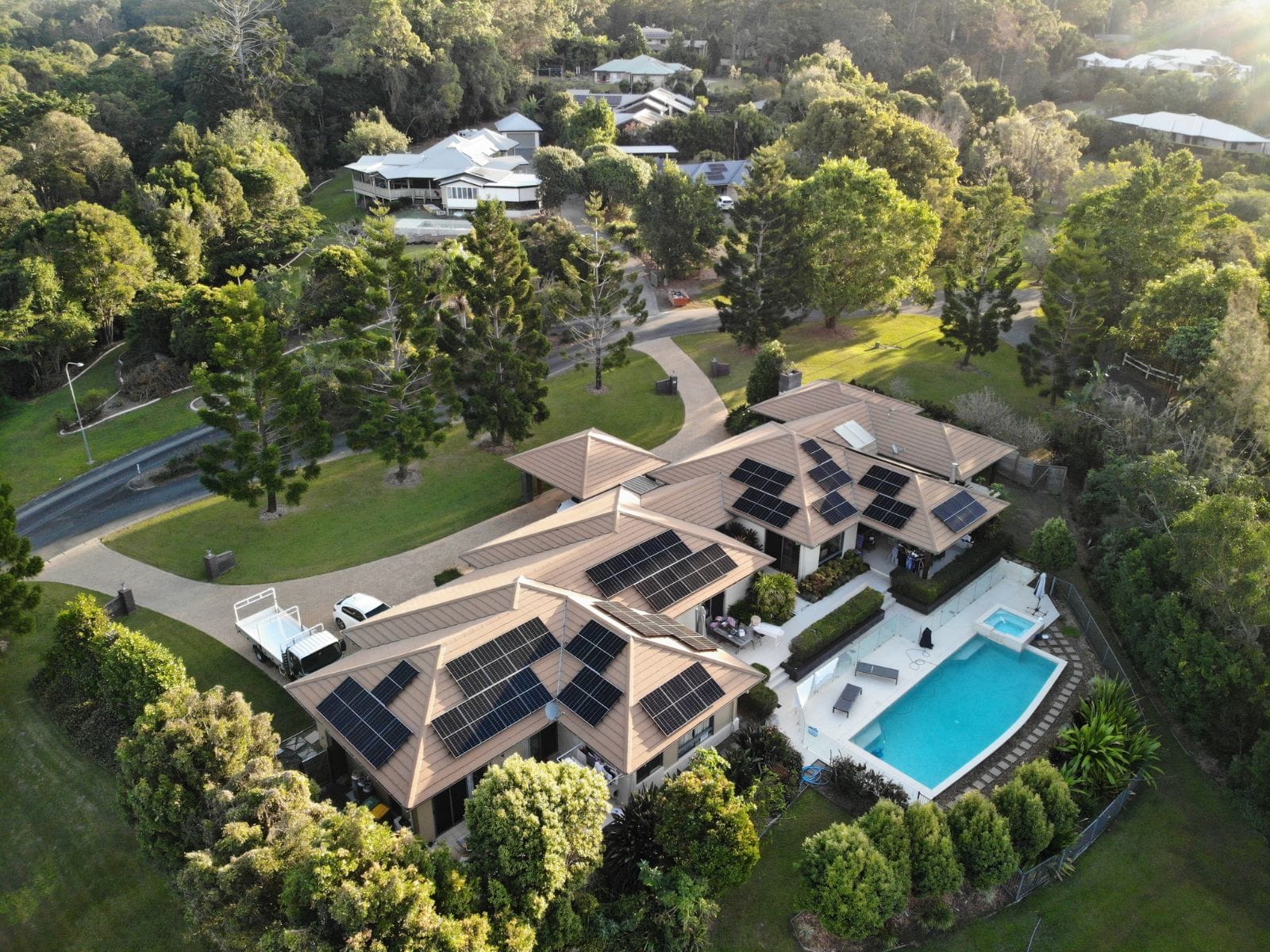
2. Queensland Storm Season and Grid Resilience
The Bureau of Meteorology defines Queensland's cyclone and severe storm season as running from November through April. During this period, the Gold Coast experiences the highest frequency of grid outages in the state.
Modern battery systems, including units from Tesla, Sigenergy, and Sonnen, include storm watch features that automatically charge to full capacity when severe weather is forecast, ensuring your home has maximum backup power available before an outage occurs. For households with medical equipment, young children, or elderly residents, this is not a convenience feature, it's essential infrastructure.
3. Gold Coast Solar Penetration and the Self-Consumption Problem
Approximately 30% of Queensland homes already have rooftop solar, one of the highest penetration rates in the world. As penetration grows, network operators face midday export saturation, and feed-in tariffs continue to decline.
The solar system that delivered strong returns five years ago now earns less from grid export than it once did. Battery storage is the direct solution: it converts an export-dependent solar system into a self-consumption-first energy system, increasing the proportion of your own solar you actually use from a typical 30–40% to 70–90% with the right battery size.
How the Gold Coast Battery Rebate Claim Process Works With ESC
Understanding the installation and rebate claim process removes the main hesitation most homeowners have. Here's how it works end-to-end when you work with Energy Solution Centre:
- Free Consultation & Site Assessment:
We review your electricity bills, assess your roof and existing solar system, confirm eligibility, and recommend a battery size matched to your actual energy usage, not to maximise rebate, but to maximise your long-term savings. - Custom System Design & Quote:
You receive a written quote showing: full system price, your rebate amount (with STC calculation), the net price you pay, and a payback projection based on your actual usage. No hidden costs. - CEC-Approved Product Selection:
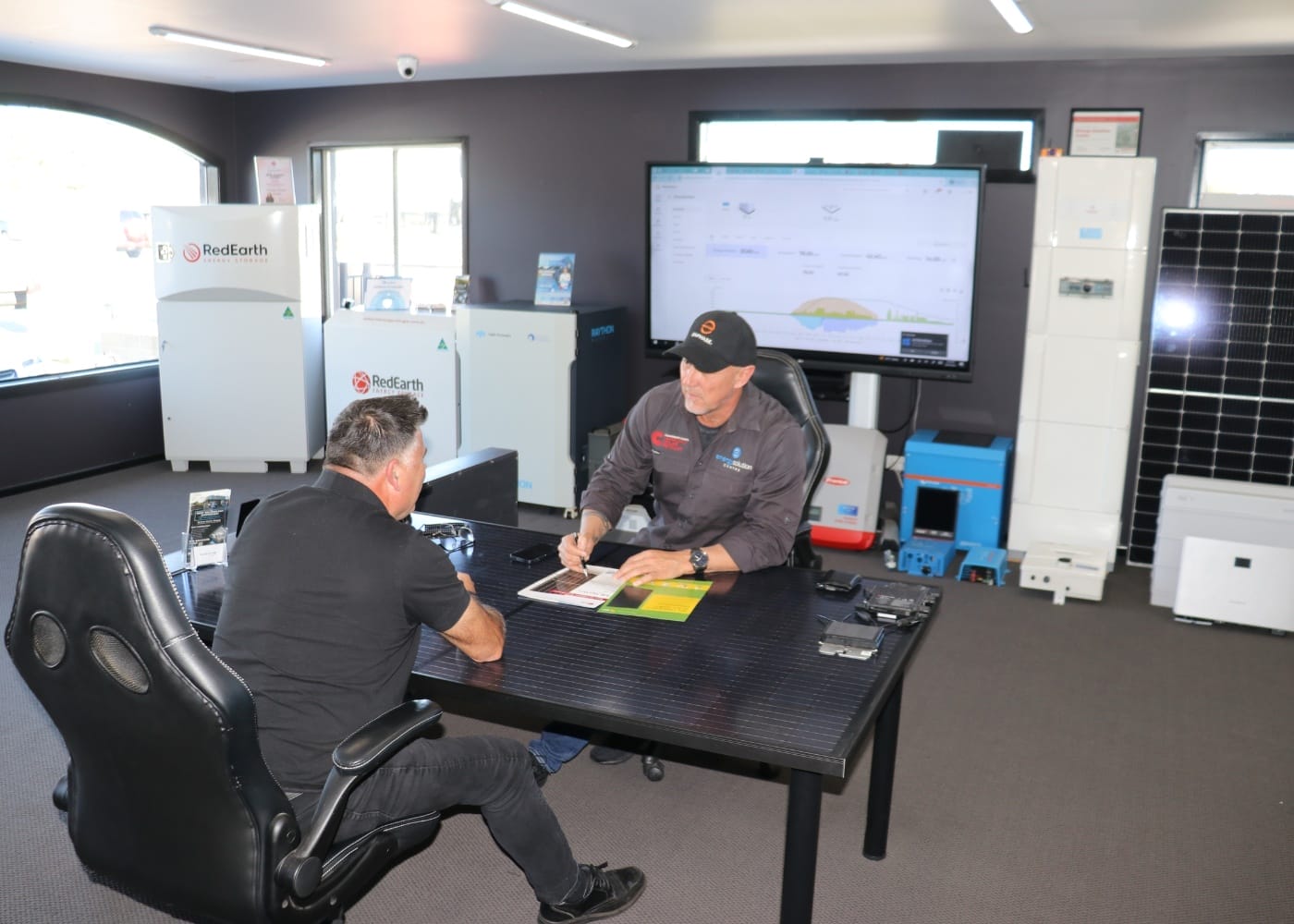
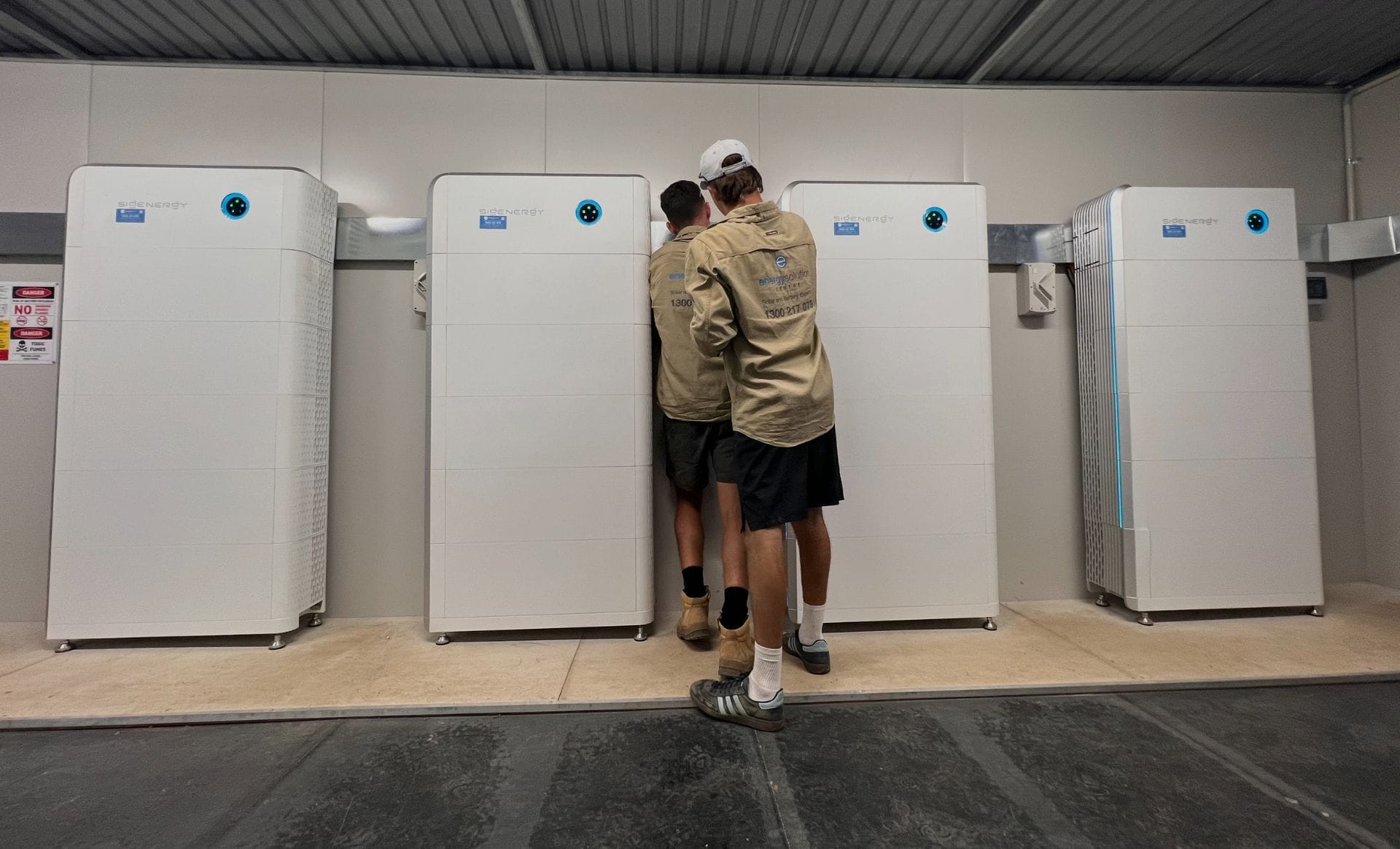
We work with CEC-approved brands including Tesla Powerwall, Sigenergy Sigenstor, Sonnen, BYD Battery-Box, GoodWe, and Sungrow. Our Nerang showroom has live display units so you can see the technology before committing. - Professional Installation:
Our QLD-licensed teams (Electrical Contractors License 90260) complete most residential Gold Coast installations in a single day. We coordinate all electrical and metering work. - STC Paperwork & Rebate Applied:
We generate your STCs, assign them to a registered agent, and apply the rebate directly to your invoice at point of sale. You don't file anything separately, the discount is reflected in what you pay on the day.
Take Your Next Step Before May 1, 2026
The Cheaper Home Batteries Program has $7.2 billion confirmed through 2030. The funding is there. But the rebate structure changes permanently from May 1, 2026, and if you're considering a mid-to-large battery system, the difference between installing now and installing after May 1 is measurable in thousands of dollars.
Energy Solution Centre has helped Gold Coast homeowners claim their full federal battery rebate with zero compliance issues since the program launched.
We're not here to rush your decision, we're here to give you the information you need to make the right one for your home.
YOUR THREE OPTIONS WITH ESC:
Get a Pre-May 2026 Quote → Lock in current flat-rate rebate values before the tiered structure takes effect. Book a free site assessment . No obligation. No pressure.
Call Us Today → Speak directly with our Gold Coast battery specialists: 1300 217 079 , Monday–Friday 8:30am–5pm, Saturday 9am–1pm.
Visit Our Nerang Showroom → See live battery systems from Tesla, Sigenergy, Sonnen, Sungrow, GoodWe, and BYD at 19 Price St, Nerang QLD 4211. No appointment needed.
Gold Coast Solar Battery Rebate: Frequently Asked Questions
The following questions represent what Gold Coast homeowners most commonly ask us about the federal battery rebate program. Each is answered in full to help you make an informed decision.
How much is the solar battery rebate on the Gold Coast right now?
+The current applied rebate value is $330–340 per usable kilowatt-hour, with a nominal STC value of $372/kWh. For a standard 10 kWh system, that's approximately $3,300+ in upfront savings. For a 13.8 kWh system, approximately $4,500+. The maximum applies to 50 kWh of usable capacity, delivering up to $16,500. These values apply until May 1, 2026, when the tiered structure takes effect.
What makes a Gold Coast home eligible for the battery rebate?
+Your battery must be installed by a CEC-accredited installer, use CEC-approved products, have usable capacity between 5 kWh and 50 kWh, and be connected to a rooftop solar PV system. There is no income or means test. The system must be VPP-capable, though joining a Virtual Power Plant is not mandatory. Most Gold Coast homes with existing solar qualify immediately.
Can I claim the battery rebate if I already have solar panels?
+Yes, the majority of Gold Coast households claiming the rebate are adding battery storage to existing solar systems, not installing solar for the first time. Your existing solar panels don't need to be new or recently installed. Our team checks existing system compatibility during the free site assessment.
What is the STC deeming period and how does it affect my rebate?
+The STC deeming period refers to the timeframe over which the government calculates the environmental benefit of your battery system and therefore how many STCs it generates. For the battery rebate, the deeming factor steps down over time as the program progresses toward its 2030 end date. Under the new rules from May 1, 2026, the deeming factor will reduce every six months rather than annually. This is why earlier installations generate more STCs and therefore receive higher rebates.
Can I combine the federal rebate with other Queensland battery incentives?
+The federal Cheaper Home Batteries Program can potentially be combined with other state-level programs where available. Queensland does not currently have a dedicated state battery rebate separate from the federal program, but this should be confirmed with your installer at the time of installation, as programs can change. The federal rebate itself stacks with existing STC solar incentives if you're also installing new panels at the same time.
What happens to the rebate if I wait until after May 1, 2026?
+From May 1, two changes reduce the rebate value: the STC factor steps down (reducing per-kWh values across all sizes), and a tiered structure applies (with the second and third capacity brackets receiving 60% and 15% respectively of the full STC factor). For smaller batteries under 14 kWh usable, the impact is the step-down in factor only. For larger systems, the tiered structure creates a significantly larger reduction. A 20 kWh system, for example, would drop from approximately $6,600 to approximately $4,620 in applied savings.
Which battery brands are eligible for the Gold Coast rebate?
+Any battery on the Clean Energy Council's approved product list qualifies. Popular CEC-approved options available through Energy Solution Centre include Tesla Powerwall 2 and 3, Sigenergy Sigenstor, Sonnen eco, BYD Battery-Box, Energizer Power, and Alpha ESS Smile series. We recommend choosing based on your usable capacity requirements, warranty terms, and compatibility with your existing inverter, not solely on rebate eligibility.
View More of Our Popular Blogs
Want to Learn More?
Let Our Team of Energy Solution Specialists Design Your Dream Home Solar & Battery System
1300 217 079
info@energysolutioncentre.com.au
Get in Touch
menu
Keep in Touch
© Copyright 2024 Energy Solution Centre Pty Ltd All rights reserved - QLD Electrical Contractors License 90260 - ABN 84 163 501 488