
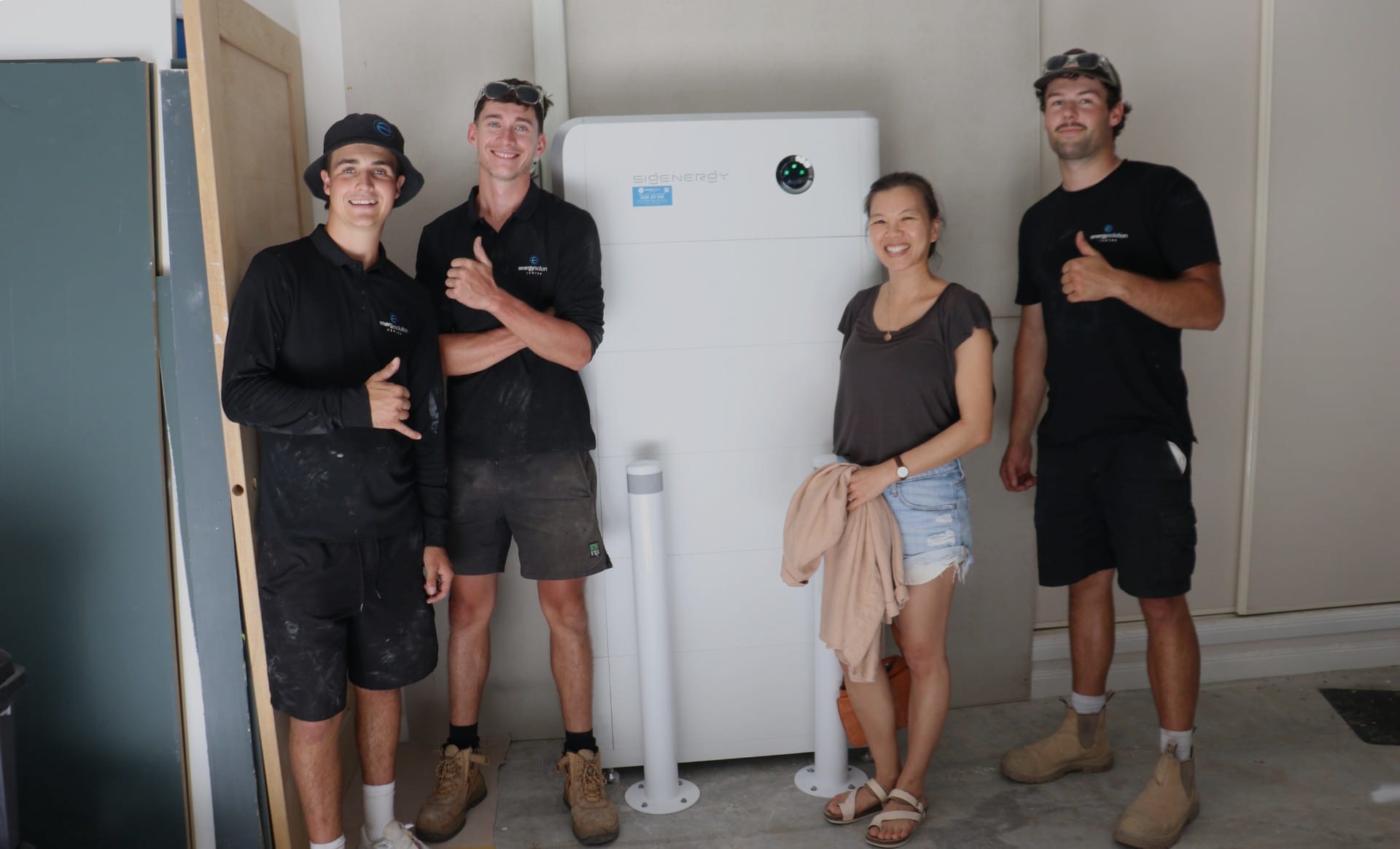

Solar Battery Rebate QLD: 2026 Federal Guide for Queensland Homeowners
There's never been a better time for Queensland homeowners to invest in solar battery systems. The Solar Battery Rebate QLD, delivered through the Australian Government Cheaper Home Batteries Program, is live, fully funded, and offering up to $16,500 in upfront savings.
But here's what matters most: rebate values are at their peak right now, and they're about to change. Since July 1, 2025, this federal program has supported over 160,000 Australian households with battery storage systems. After a massive $5 billion funding boost in late 2025, the scheme now totals approximately $7.2 billion through 2030. For Queensland homes where 30% already have rooftop solar systems and Energex peak tariffs hit hard, this rebate makes energy independence genuinely affordable.
Current values sit at $330-340 per usable kilowatt-hour. That's thousands off your solar battery installation costs. But from May 1, 2026, the structure shifts to a tiered model with faster step-downs.
If you've been watching and waiting, this is your window. At Energy Solution Centre, we created this guide because too many Queensland families miss rebate opportunities simply by not understanding the rules or timing.
Based on the Gold Coast with CEC accreditation and hands-on experience since the program launched, we process these claims regularly and know what actually qualifies.
This guide breaks down everything Queensland homeowners need: eligibility rules, current amounts, what changes in May, and how the program declines through 2030. For a comprehensive overview of how the federal scheme works nationally, read our detailed battery rebate explained guide.
How the Battery Rebate Queensland Program Actually Works
The home battery rebate operates through the Small-scale Renewable Energy Scheme (SRES), which has historically supported Australia's solar panel rebate framework. Now, it's been expanded to include battery energy storage systems.
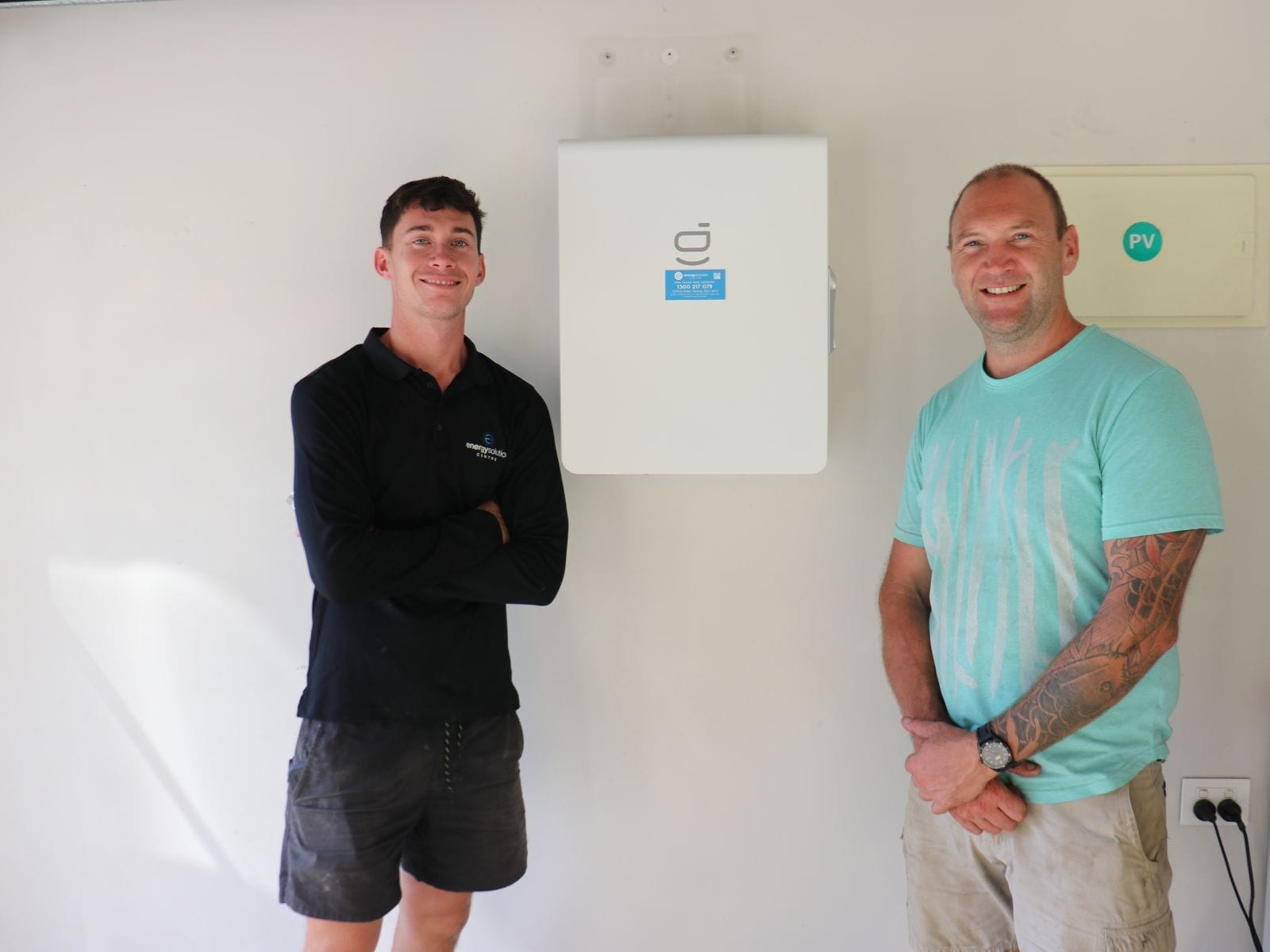
Here's the mechanism, when you install an eligible battery, your Clean Energy Council approved installer generates Small-scale Technology Certificates (STCs) based on your battery's usable capacity. Those STCs translate into a point-of-sale discount, meaning you don't apply separately. The savings come straight off your upfront cost.
As a Gold Coast solar installer, we generate these certificates and handle STC paperwork so customers receive their full rebate without delays or compliance issues. While we serve the Gold Coast region, the eligibility framework applies statewide, so this information benefits all Queensland households.
Eligibility Requirements for Queensland Homeowners
To qualify for the battery rebate Queensland program, your system must meet these criteria:
- Installed by a Clean Energy Council accredited installer
- Uses battery and inverter products approved by the Clean Energy Council (CEC)
- Connected to a rooftop solar PV system (new or existing solar panels)
- Usable capacity between 5 kWh and 50 kWh
- Capable of Virtual Power Plant (VPP) connection, though joining one isn't mandatory
- Grid-connected, unless meeting off-grid exemption criteria
Off-Grid Queensland Properties
You can still claim the incentive if your property is off-grid, provided:
- You're more than 1 km from the nearest mains grid line, or
- Grid connection costs exceed $30,000
In these cases, VPP compatibility requirements don't apply.
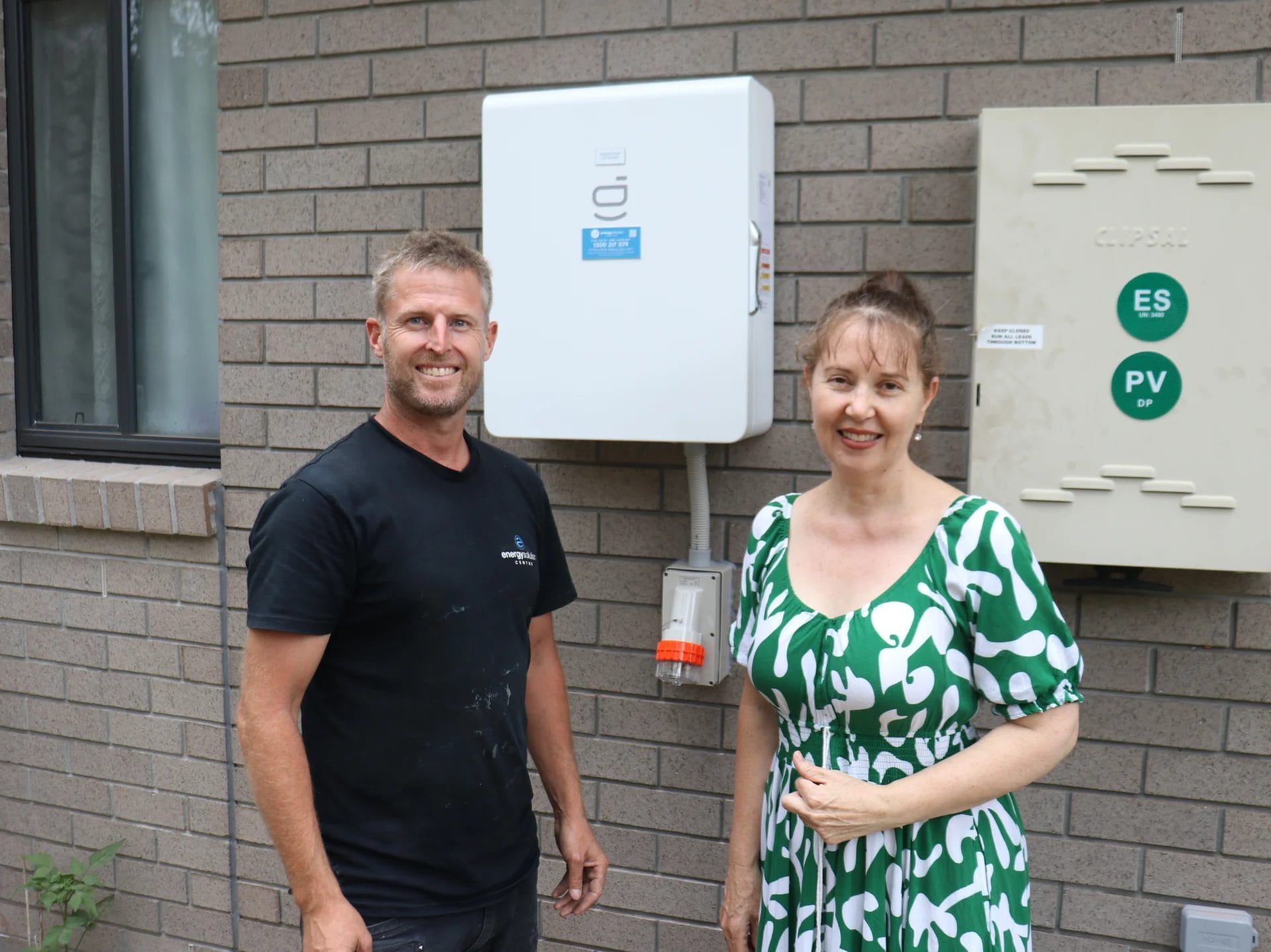
Who Can Claim?
The battery rebate Queensland program isn't means-tested. Homeowners, small businesses, and community facilities all qualify. Whether you're a retiree in Cairns, a family in Brisbane, or running a café on the Gold Coast, you're eligible if your system meets the technical criteria.
You can claim one rebate per property. Multiple property owners can install batteries on each and claim individually. Adding capacity to existing battery systems is allowed, provided total capacity doesn't exceed 100 kWh and the system hasn't previously received support.
Many homeowners assume their older solar installation or rental property disqualifies them. Most assumptions are incorrect. If you have a Queensland address and rooftop solar (or space for panels), qualification is likely. CEC-accredited installers verify eligibility during site assessments.
LOOKING TO CLAIM THE SOLAR BATTERY REBATE ON THE GOLD COAST?
Book a free consultation to check your eligibility, understand usable capacity, and see how much rebate your home could receive. Our local team manages the process end to end and delivers compliant solar and battery solutions across the Gold Coast
From $2.3B Launch to $7.2B Expansion: The Policy Timeline
The Cheaper Home Batteries Program launched July 1, 2025, with an initial $2.3 billion allocation through 2030. The government projected solid uptake and roughly 30% discounts on battery installation costs.
Demand exceeded projections. The program supported over 160,000 installations in its first phase, adding gigawatt-hour scale distributed energy storage to Australia's grid.
Queensland homeowners responded strongly—from North Queensland properties seeking cyclone blackout protection to South East Queensland homes managing Energex peak demand tariffs.
To sustain support for more households through 2030, the Albanese Government announced a $5 billion expansion in late 2025, bringing total battery subsidy funding to approximately $7.2 billion.
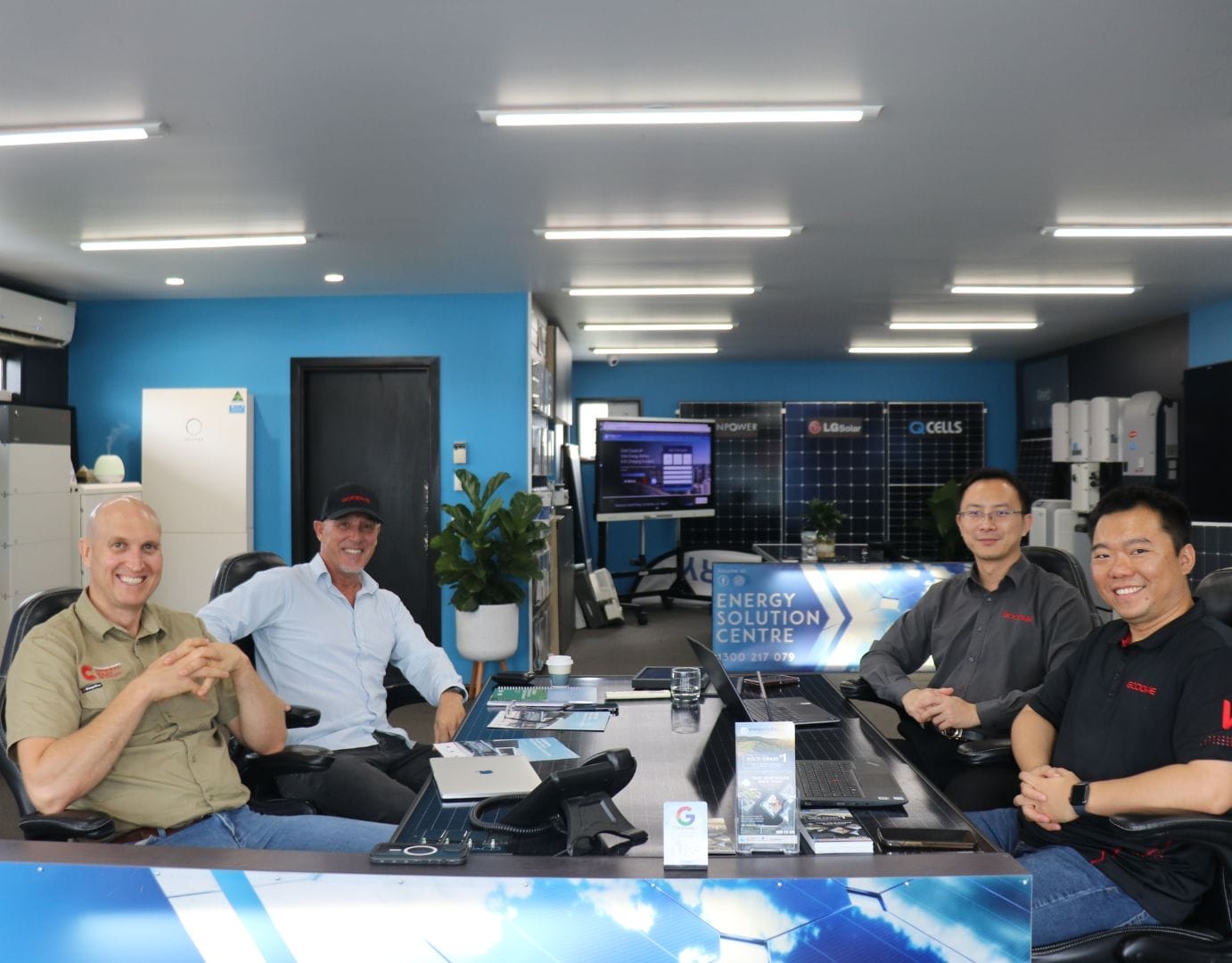
For detailed analysis of this expansion and funding allocation, see our complete guide on Australia's $7.2 billion federal battery program.
This expansion reflects ongoing energy policy priorities: reducing household electricity bills, accelerating residential energy independence, and supporting Australia's renewable energy transition without forcing families to shoulder full battery system costs.
For Queensland specifically, this matters. Summer storms, grid outages, and rising nighttime energy consumption make battery storage systems paired with existing solar installations deliver measurable resilience and bill savings.
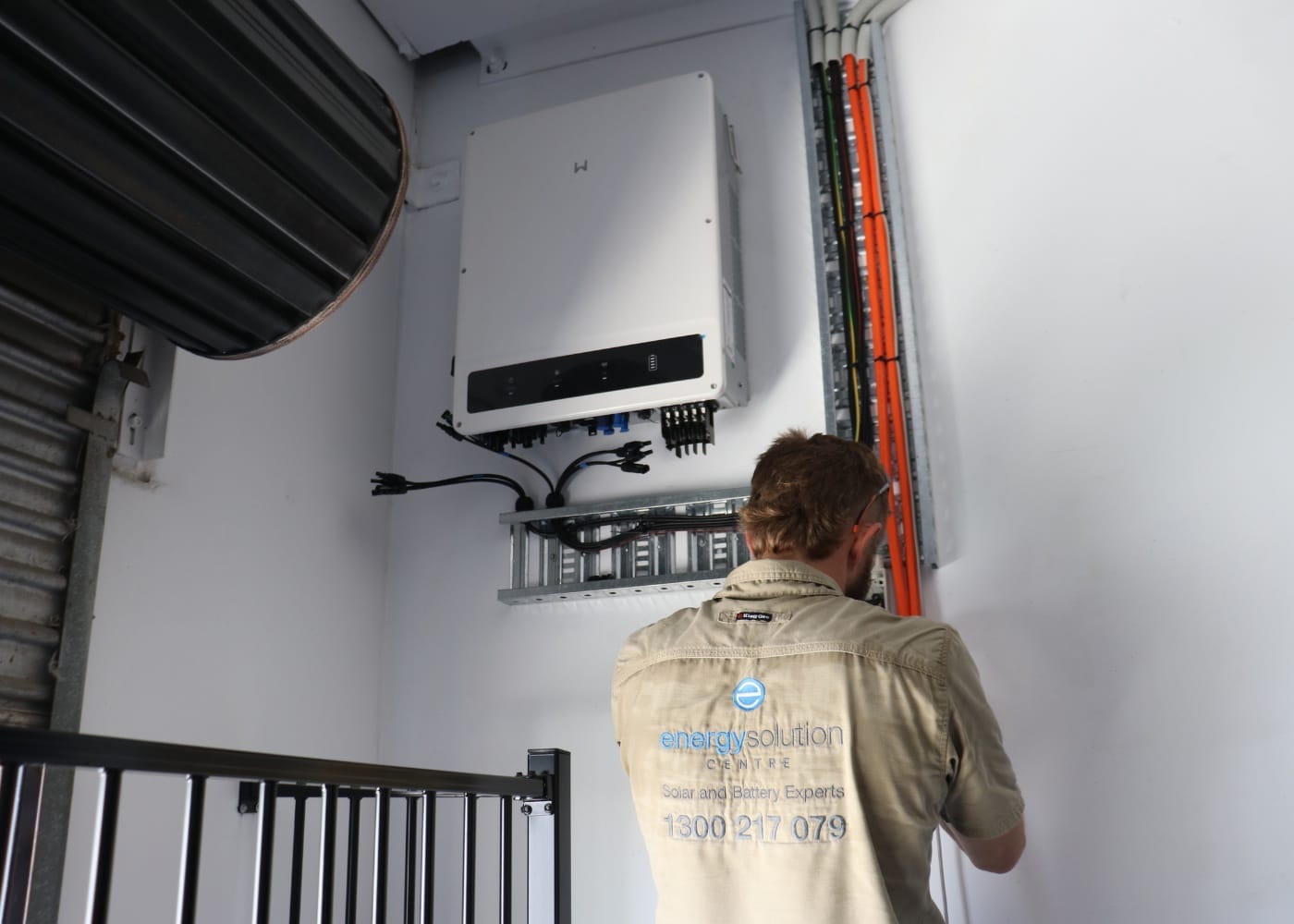
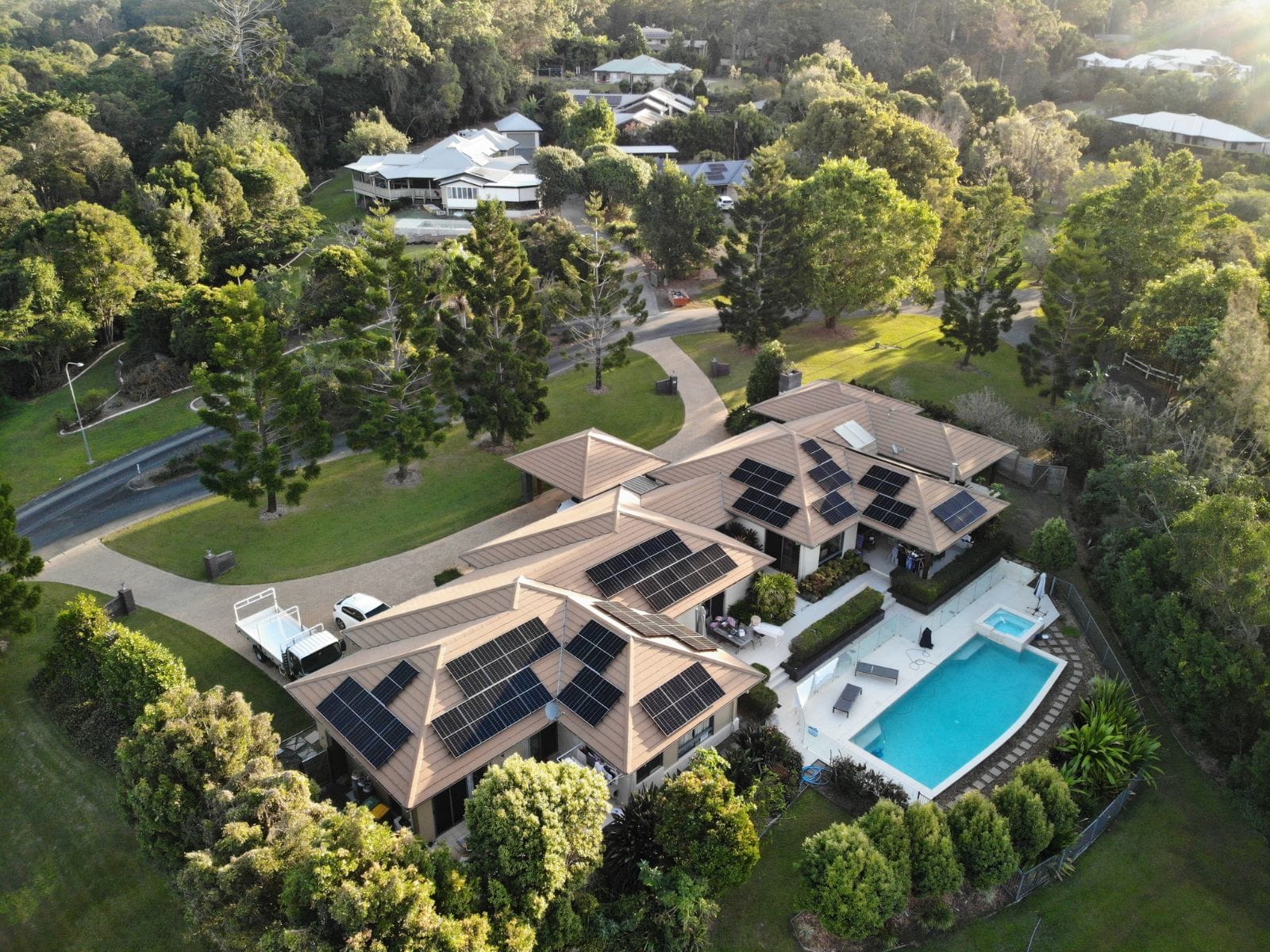
Current Rebate Values for QLD Homes (Pre-May 2026)
Right now, the solar battery rebate amount delivers approximately $330-340 per usable kWh in applied savings, after administrative and compliance costs. The nominal STC value is $372 per kWh.
Period
Per kWh Usable
Maximum Savings (50kWh)
Now (pre-May 2026)
$372 nominal ($330–340 applied)
$16,500+
May 2026 onwards
Tiered: 100 / 60 / 15% by capacity
Varies by battery size
Real Queensland Examples: Applied Savings
- 10 kWh battery system: $3,300+ upfront discount
- 13.5 kWh residential system: $4,500+ off installation
- 20 kWh family home system: $6,600–6,800 immediate savings
These figures represent actual point-of-sale discounts Queensland homeowners receive through CEC-approved installers handling STC paperwork.
The solar battery return on investment improves dramatically with federal support.
Payback periods that historically ran 8-10 years often drop to 5-7 years, especially when accounting for electricity bill reduction from using stored solar energy during peak evening tariffs instead of drawing expensive grid power.
What Changes From May 2026: Tiered Structure and Faster Declines
From May 1, 2026, the solar battery rebate decline accelerates with two structural shifts:
- Six-Month Step-Downs Replace Annual Reductions:
Instead of reducing annually, the STC factor now decreases every six months at a faster overall rate. This aligns government incentives with falling battery costs over time and ensures broader program accessibility through 2030.
The practical impact: earlier installation dates receive higher STC values and larger savings. - Capacity-Based Tiering Replaces Flat Rates:
The new structure tapers rebate amounts according to battery size instead of applying uniform STC factors to all usable capacity.
0–14 kWh: 100% of STC factor (~$330–340/kWh)
14–28 kWh: 60% of STC factor (~$200–205/kWh)
28–50 kWh: 15% of STC factor (~$50–55/kWh)
Queensland Impact: Larger Systems Receive Less Per-kWh Support
If you're planning larger battery capacity (20 kWh or 30 kWh for multi-day cyclone backup or complete nighttime coverage), pre-May 2026 values deliver significantly higher overall support.
Comparison example:
- 20 kWh system installed now: ~$6,600 total (flat rate across all capacity)
- 20 kWh system after May 1: ~$4,620 total (14 kWh at 100%, remaining 6 kWh at 60%)
The policy intention behind this tiering is to encourage homeowners to choose appropriately-sized battery storage rather than oversizing solely to maximise rebate value. Smaller batteries maintain strong support. Larger systems remain eligible, just at tapered rates reflecting capacity brackets.
“
Our perspective on timing: Only install before May 1 if the battery system makes sense for your household anyway. Don’t oversize to maximise rebate if smaller capacity suits your actual energy needs. But if you’ve already determined you need larger storage for backup or heavy evening usage, installing before the tiered structure takes effect delivers measurably more support.
NEED HELP WITH SOLAR BATTERY REBATES?
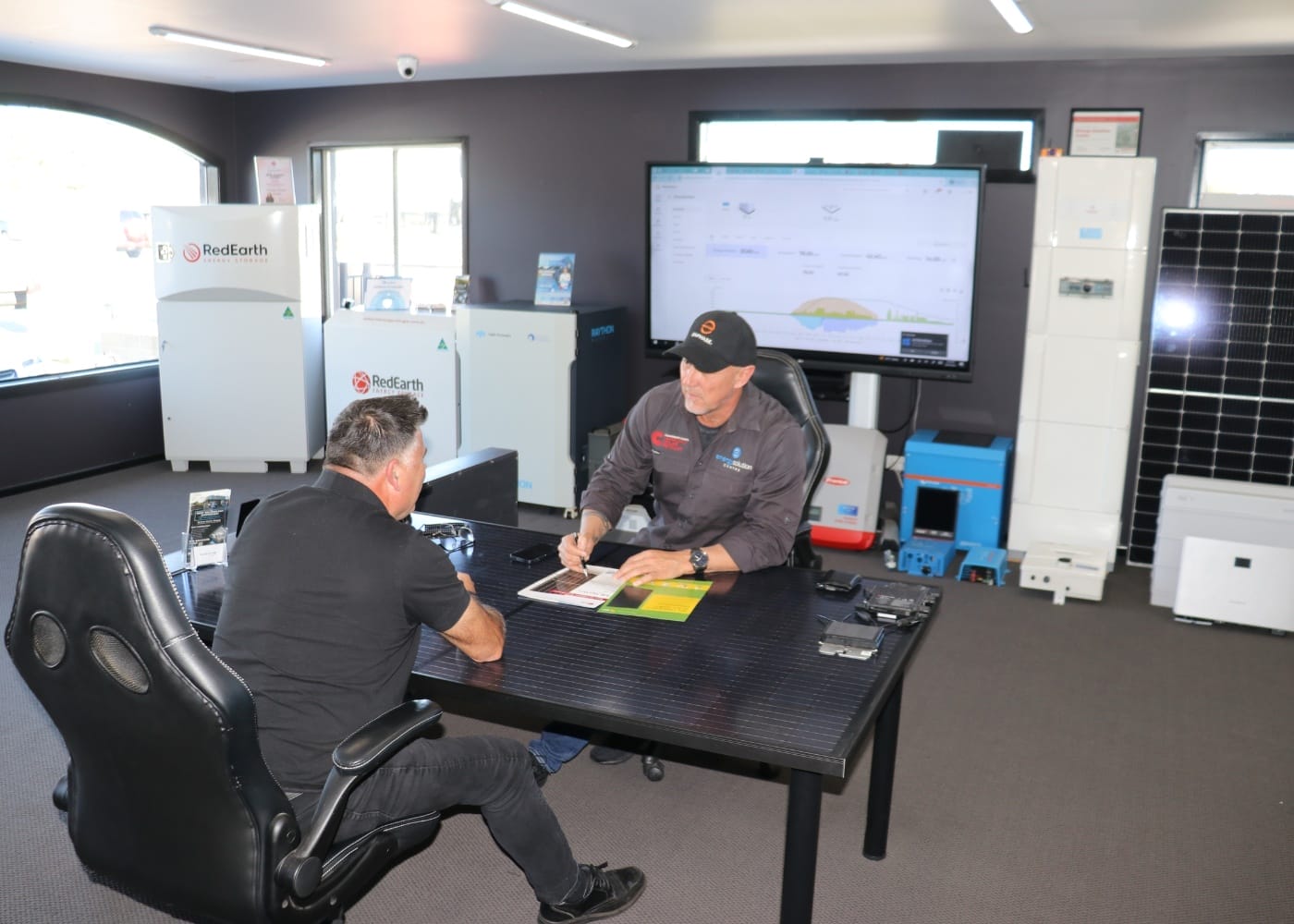
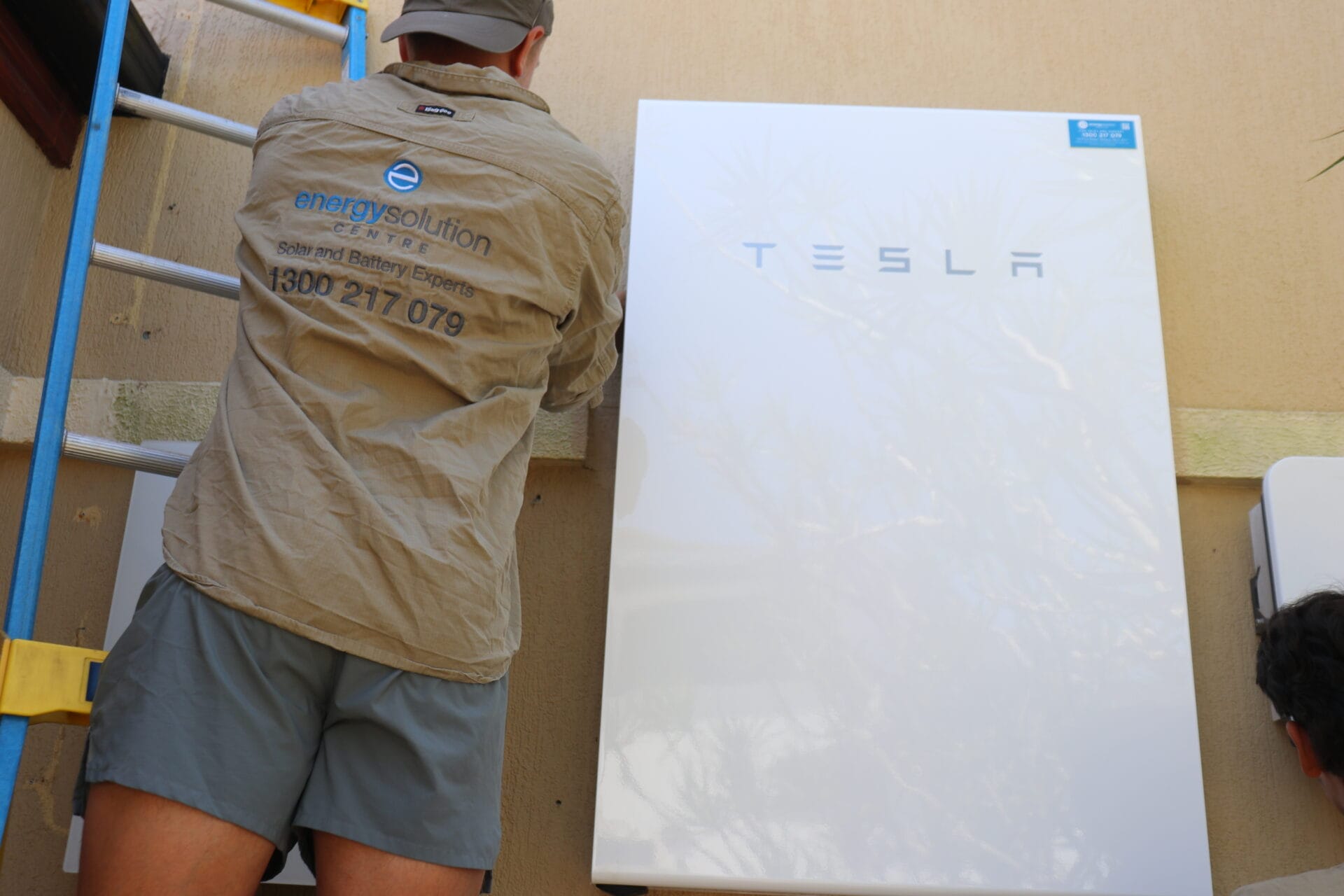
Drop by our Nerang showroom or explore our solar battery solutions. Our team can explain eligibility, usable capacity, and rebate outcomes for your home.
Why Battery Storage Matters for Queensland Households
Battery storage represents more than blackout backup, though Queensland experiences that value acutely. It's the logical progression for solar homeowners seeking to:
- Maximise energy self-sufficiency: Store solar generation for nighttime consumption instead of exporting for minimal feed-in tariffs
- Reduce electricity bills: Deploy battery-stored solar during evening peak demand when Energex and Ergon rates spike
- Protect against grid instability: Maintain power for essential appliances during cyclones, flooding, or infrastructure failures
- Improve solar system returns: Self-consume higher percentages of rooftop solar generation rather than grid export
- Increase property market value: Homes with solar and battery systems show growing buyer appeal
- Support decarbonisation goals: Contribute to Queensland's renewable energy transition while reducing household emissions
With electricity prices forecast to continue rising and extreme weather events becoming more frequent, home battery systems provide long-term bill protection and genuine energy security.
Making Your Battery Rebate Decision: Next Steps
The Australian Government Cheaper Home Batteries Program maintains full funding through 2030, with $7.2 billion committed to making battery storage affordable for Australian households. For Queensland homeowners, this creates a clear pathway to energy independence, bill reduction, and grid outage protection.
Current rebate values represent peak support levels. From May 1, 2026, the tiered structure and accelerated step-downs mean reduced per-kilowatt-hour support, especially for larger battery systems.
If you're considering solar battery systems, act with complete information. Seek quotes from CEC-approved Queensland installers who understand STC calculations, verify eligibility, and manage paperwork end-to-end.
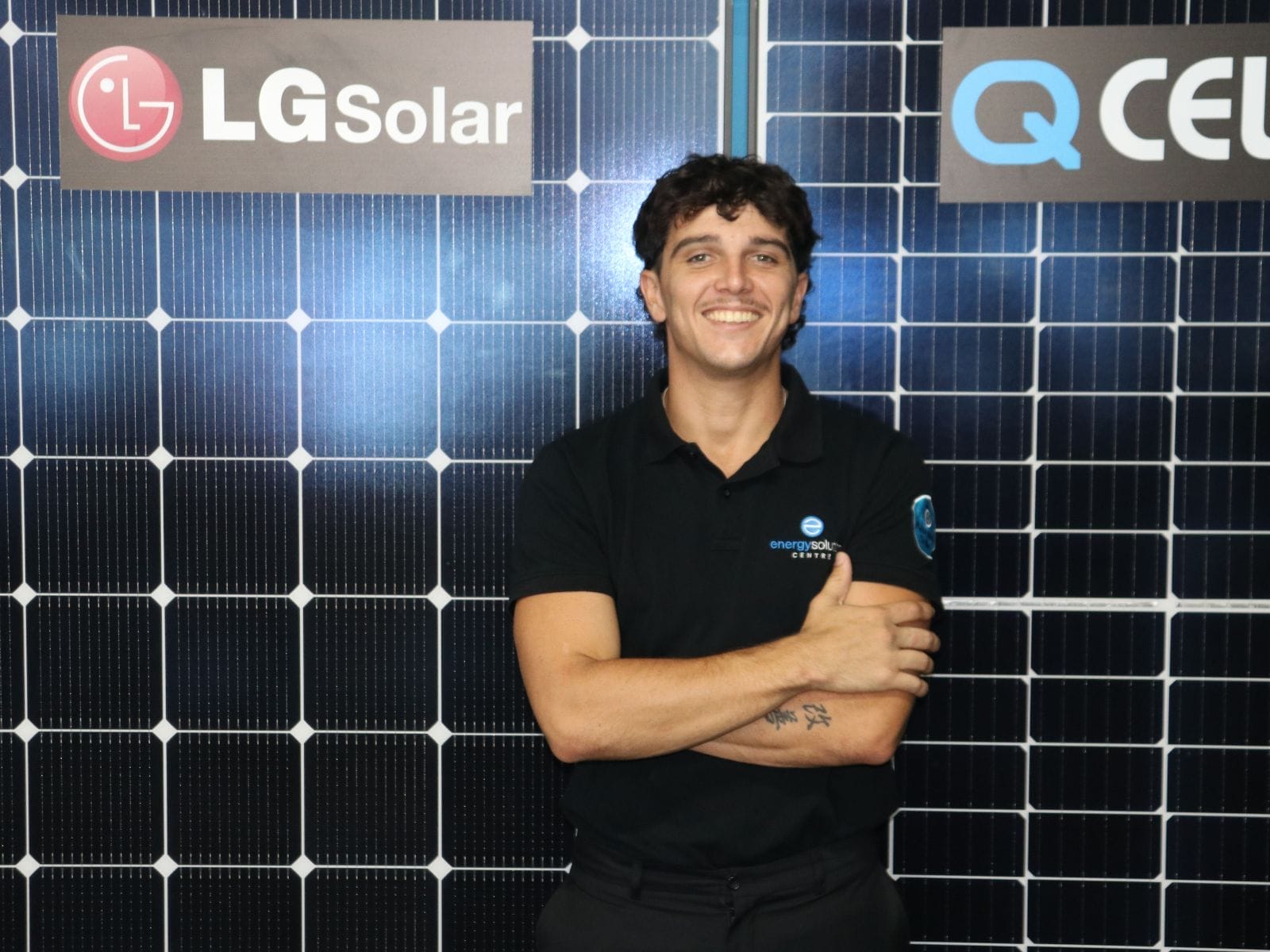
For Gold Coast residents, Energy Solution Centre offers free consultations at our Nerang showroom. We'll assess your energy usage, explain your options without pressure, and ensure your system qualifies for the full Solar Battery Rebate QLD before values decrease. Call us on 1300 217 079 or visit our showroom to discuss your home's energy future.
For all Queensland homeowners, Ensure you work with CEC-accredited installers who understand this program thoroughly. Request written STC calculation explanations, eligibility confirmation, and clear documentation of what your system qualifies for before signing contracts. Energy independence begins with understanding available support.
The federal program provides financial backing. Lock in maximum savings while peak values remain available.

NEED HELP WITH THE SOLAR BATTERY REBATE ON THE GOLD COAST?
If you're based on the Gold Coast and researching solar batteries, Energy Solution Centre is here to help. We work with local homeowners every day to assess eligibility, explain usable capacity, and apply the solar battery rebate correctly—so you get the maximum benefit without the confusion. From tailored system design to accredited installation, we handle the entire process end to end.
Read our Gold Coast battery rebate guide or speak with our Gold Coast team for clear, obligation-free advice.
Frequently Asked Questions
Everything you need to know about the Queensland solar battery rebate
How much is the solar battery rebate QLD?
+The program currently provides $330–340 per usable kWh after administrative costs (nominal $372/kWh). A 10 kWh system receives approximately $3,300–3,400 in upfront savings. From May 1, 2026, a tiered structure applies, with smaller batteries receiving higher per-kWh support.
Who is eligible for the solar battery rebate QLD?
+Queensland homeowners, small businesses, and community facilities qualify. Requirements include CEC accredited installer, CEC-approved battery and inverter products, connection to rooftop solar system, 5–50 kWh usable capacity, and VPP-readiness. No means testing or income requirements apply.
When does the solar battery rebate start in Queensland?
+The federal program launched July 1, 2025. Systems installed before that date may still qualify if the Certificate of Electrical Compliance was issued on or after July 1 and the system wasn't activated until then.
How do I apply for the solar battery rebate QLD?
+No separate application exists. Your CEC-approved installer generates STCs during battery installation and applies the discount on your invoice. Savings reduce upfront cost automatically.
Is the solar battery rebate worth it?
+For most Queensland homes with existing solar, yes. The incentive significantly reduces battery installation costs and shortens payback periods to 5–7 years in many cases. Combined with peak tariff savings, blackout protection, and energy independence, the value proposition is strong, particularly before May 2026 structural changes.
Can I claim the rebate for existing solar systems?
+Absolutely. The program works with both new and existing rooftop solar installations. Most Queensland households claiming support already have solar panels and are adding battery storage to maximize energy self-sufficiency.
What's the best solar battery for Queensland homes?
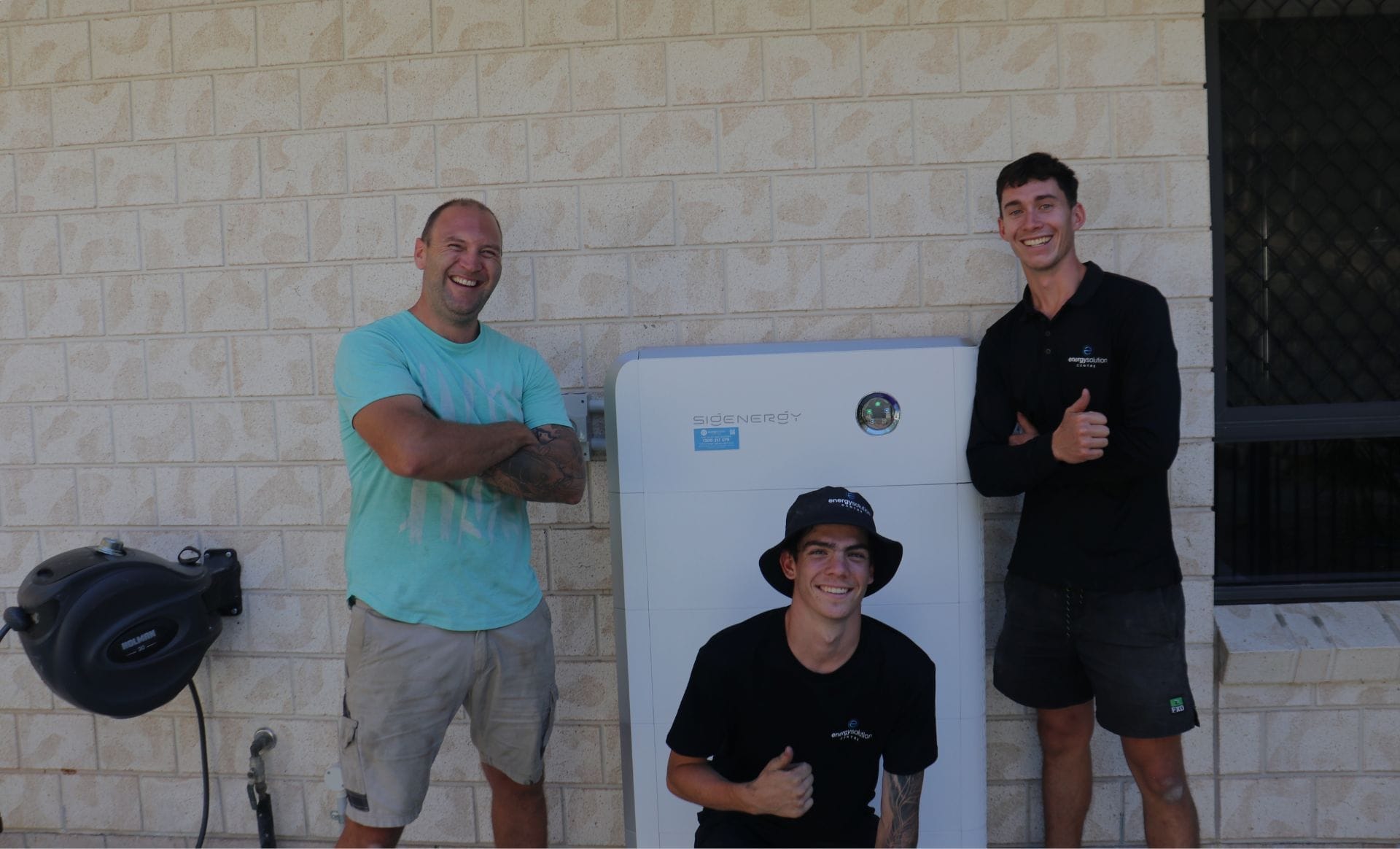
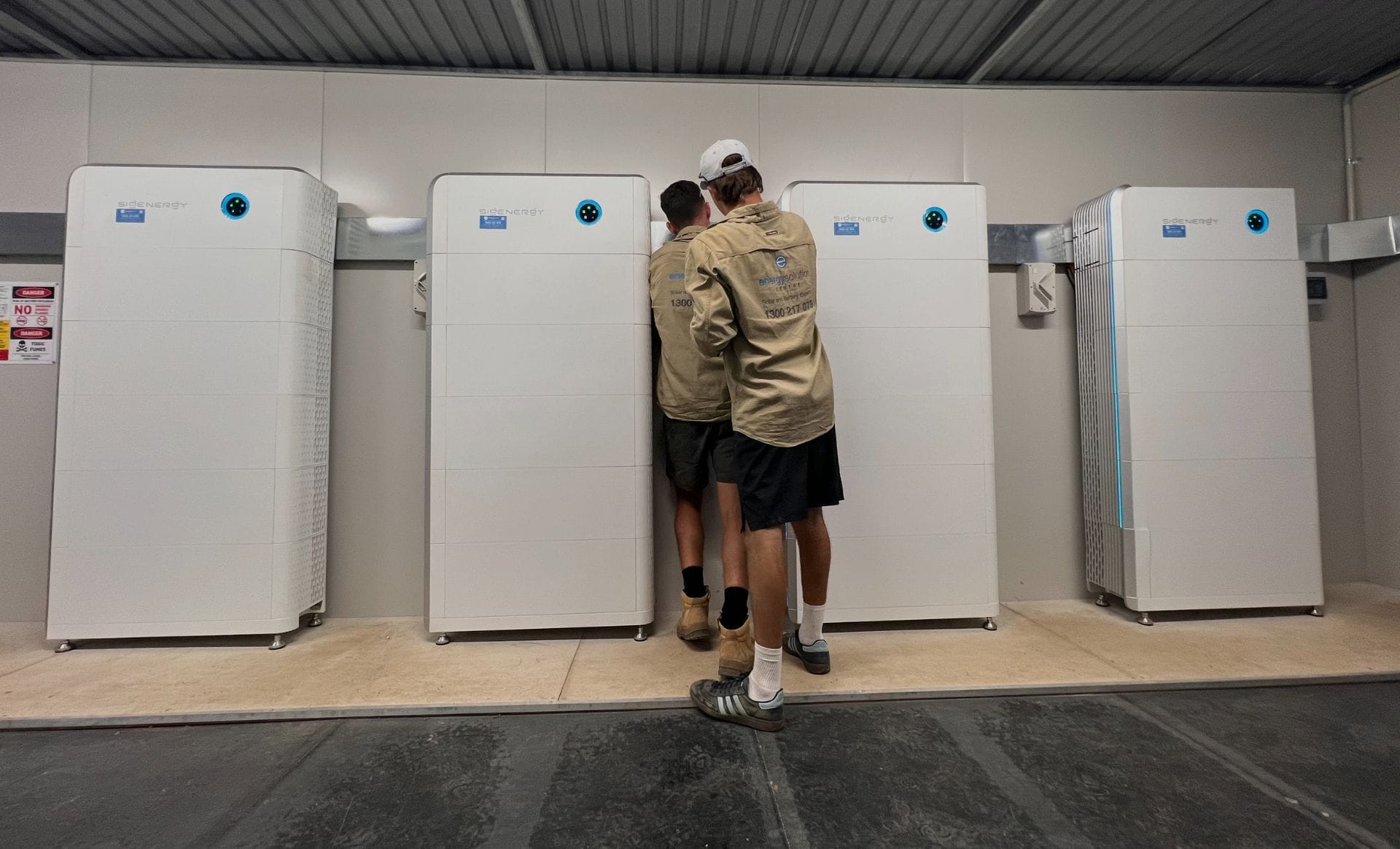
+Optimal battery selection depends on energy consumption patterns, budget, and backup requirements. Popular CEC-approved options for Queensland include Sigenergy Sigenstor, Tesla Powerwall 2/3, BYD Battery-Box, Sungrow, and Alpha ESS. Prioritize usable capacity (not just nominal ratings), warranty duration, and installer product experience.
Will battery rebates continue after 2026?
+Yes, the program maintains funding through 2030. However, rebate values decline progressively via six-month step-downs and the May 2026 tiered structure. Earlier installation dates capture higher support levels.
Do I need to join a Virtual Power Plant to get the rebate?
+No. Batteries must be VPP-capable, but joining a VPP isn't mandatory for rebate eligibility. VPP participation remains optional for grid-connected systems.
View More of Our Popular Blogs
Want to Learn More?
Let Our Team of Energy Solution Specialists Design Your Dream Home Solar & Battery System
1300 217 079
info@energysolutioncentre.com.au
Get in Touch
menu
Keep in Touch
© Copyright 2024 Energy Solution Centre Pty Ltd All rights reserved - QLD Electrical Contractors License 90260 - ABN 84 163 501 488