

Australia’s $7.2B Solar Battery Rebate Guide (2026–2030)
The federal Cheaper Home Batteries Program now has about $7.2 billion in funding through 2030, after a $5 billion expansion in 2025.
That expansion turned a lot of heads. The federal Cheaper Home Batteries Program, which was already driving record installations across the country, suddenly had the funding to keep running strongly through 2030. What started as a $2.3 billion initiative now sits at around $7.2 billion total. And if you're thinking about adding a battery to your solar system, that matters.
But the announcement came with changes. Significant ones. From May 1, 2026, the structure shifts. The rebate steps down faster. Larger batteries get treated differently. And homeowners who've been watching battery rebates Australia closely are asking the same questions: how much can I actually claim, should I install now or wait, and what do these new rules mean for my situation?
At Energy Solution Centre, we work closely with homeowners across the Gold Coast and South East Queensland who are navigating these exact decisions.
We help households understand solar battery incentives, compare quotes, and work out what makes sense for their energy use and budgets. This guide walks you through the government battery scheme as it stands in 2026, explains the changes taking effect from May 1, and helps you make an informed choice about home energy storage.
What the Federal Government Solar Rebate Actually Is
The federal battery rebate, officially called the Cheaper Home Batteries Program, is run by the Australian Government through the Clean Energy Regulator. It sits under the Small-scale Renewable Energy Scheme and works by generating Small-scale Technology Certificates (STCs) based on your battery's usable capacity.
Those STCs translate into a point-of-sale rebate. You don't apply for it separately. Your accredited installer claims the certificates on your behalf and deducts the value from your upfront cost.
The solar battery scheme is designed to make home energy storage more affordable, encourage wider uptake of solar and battery systems, and help Australian households store clean energy from rooftop solar for use when the sun isn't shining. More household batteries also ease pressure on the grid during peak demand and support the country's broader clean energy goals.
Here's how it works right now:
Eligible batteries must have nominal capacity between 5 kWh and 100 kWh. The rebate applies to usable capacity up to 50 kWh. Systems must be installed with a new or existing rooftop solar PV array. This is an upfront discount, not a tax deduction or a loan.
Simple enough. But the real story is what happened next.
Why the Government Added $5 Billion to the Solar Batteries Rebate
When the Cheaper Home Batteries Program launched in mid-2025, the government allocated roughly $2.3 billion to run through 2030. The scheme was expected to deliver around a 30 percent discount on battery installation costs and drive solid uptake across Australian homes.
Demand exploded. The program supported over 160,000 installations in its first phase and added gigawatt-hour scale storage to the grid. Homeowners didn't just install small batteries. They went for 10 kWh, 13.5 kWh, even larger systems, which meant each rebate claim ate through more funding than initially projected.
To keep the support going for more households through to 2030, the Albanese Government announced a $5 billion expansion, bringing total funding to approximately $7.2 billion.
This wasn't a panic move. It reflects ongoing energy policy priorities under the current government, including lowering household electricity costs over the long term, boosting energy resilience for consumers, and supporting decarbonisation as part of the broader Albanese Government energy policy agenda.
The program has proven popular because it works. Homeowners get real financial support. The grid benefits from distributed storage. And Australia moves closer to its clean energy targets without forcing households to shoulder the full upfront cost of batteries.

How Much Is the Solar Battery Rebate Worth?
The rebate amount depends on your battery's usable capacity and the market value of the STCs your system generates. Each STC has a dollar value, and the rebate you receive is that value applied at installation.
Before May 1 2026, the system applied a flat STC factor to all eligible capacity. When the scheme launched, that translated to roughly $300 or more per usable kWh in rebate value, depending on certificate prices at the time.
For a typical 10 kWh solar system battery, that meant a discount running into several thousand dollars off the upfront cost. Not insignificant.
But rebates on batteries don't stay static. The solar energy rebate is designed to decline gradually through to 2030 to reflect falling battery prices and to keep the program sustainable for as many homes as possible over the years.
So if you're asking "how much is solar battery rebate for my system," the answer depends on when you install and how large your battery is.
LOOKING TO CLAIM THE SOLAR BATTERY REBATE ON THE GOLD COAST?
Book a free consultation to check your eligibility, understand usable capacity, and see how much rebate your home could receive. Our local team manages the process end to end and delivers compliant solar and battery solutions across the Gold Coast
What Changes from May 1 2026
This is where things shift, and it's critical for homeowners to understand before making decisions.
Faster Step-Down in Rebate Value
Under the updated rules taking effect from May 1 2026, the STC factor used to calculate your rebate steps down every six months instead of annually, and at a faster rate overall.
What that means in practice: the earlier you install, the more STC value you receive, and the larger your rebate. This change aims to align the rebate with falling battery costs over time and ensure the program remains broadly accessible through 2030.
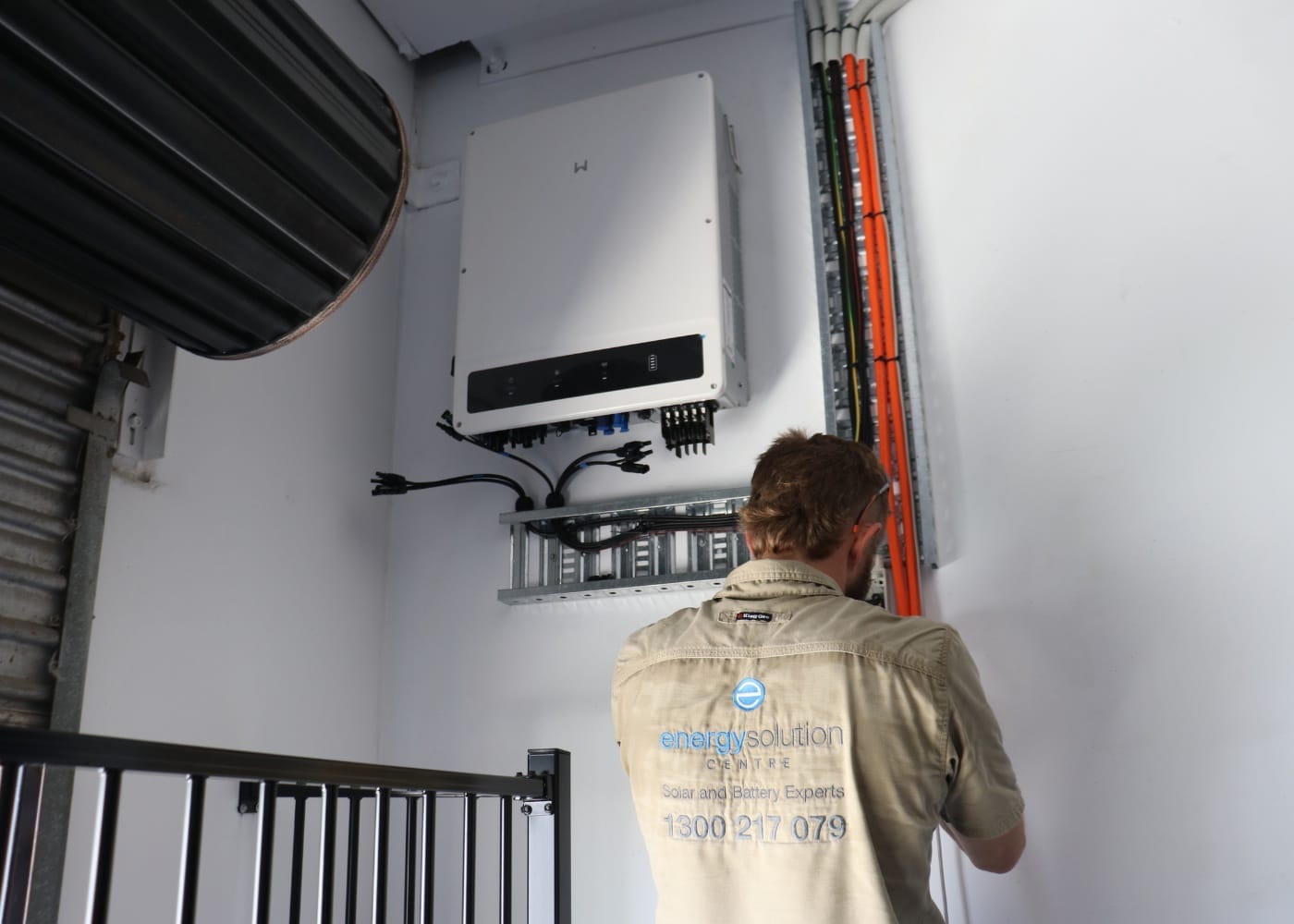
ALSO READ: Solar Battery Rebate QLD
Tiered Rebate Based on System Size
Instead of applying the same STC factor to every kilowatt hour of usable capacity, the new system tapers the rebate according to battery size.
Here's the breakdown:
- 0 to 14 kWh of usable capacity receives 100 percent of the STC factor
- Over 14 to 28 kWh receives 60 percent
- Over 28 to 50 kWh receives 15 percent
This change means larger batteries still attract a rebate, but at a lower effective rate per kWh compared with smaller systems. The intention? Encourage homeowners to choose a right-sized battery rather than oversizing solely to maximise rebate value.
If you're planning to install a large capacity battery, pre-May 2026 rebates may deliver higher overall support compared with the post-May structure. That's not hype. That's the math.
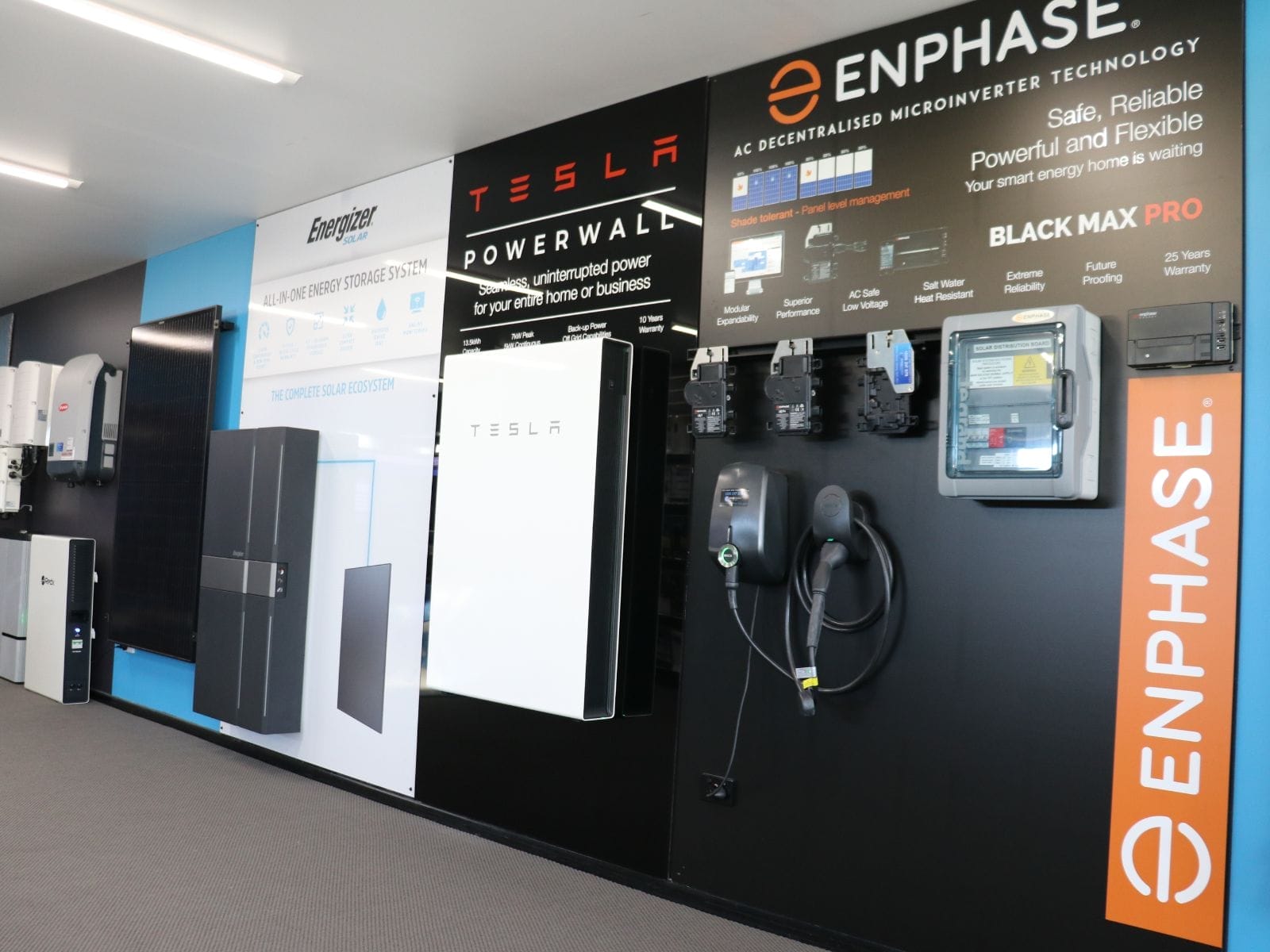
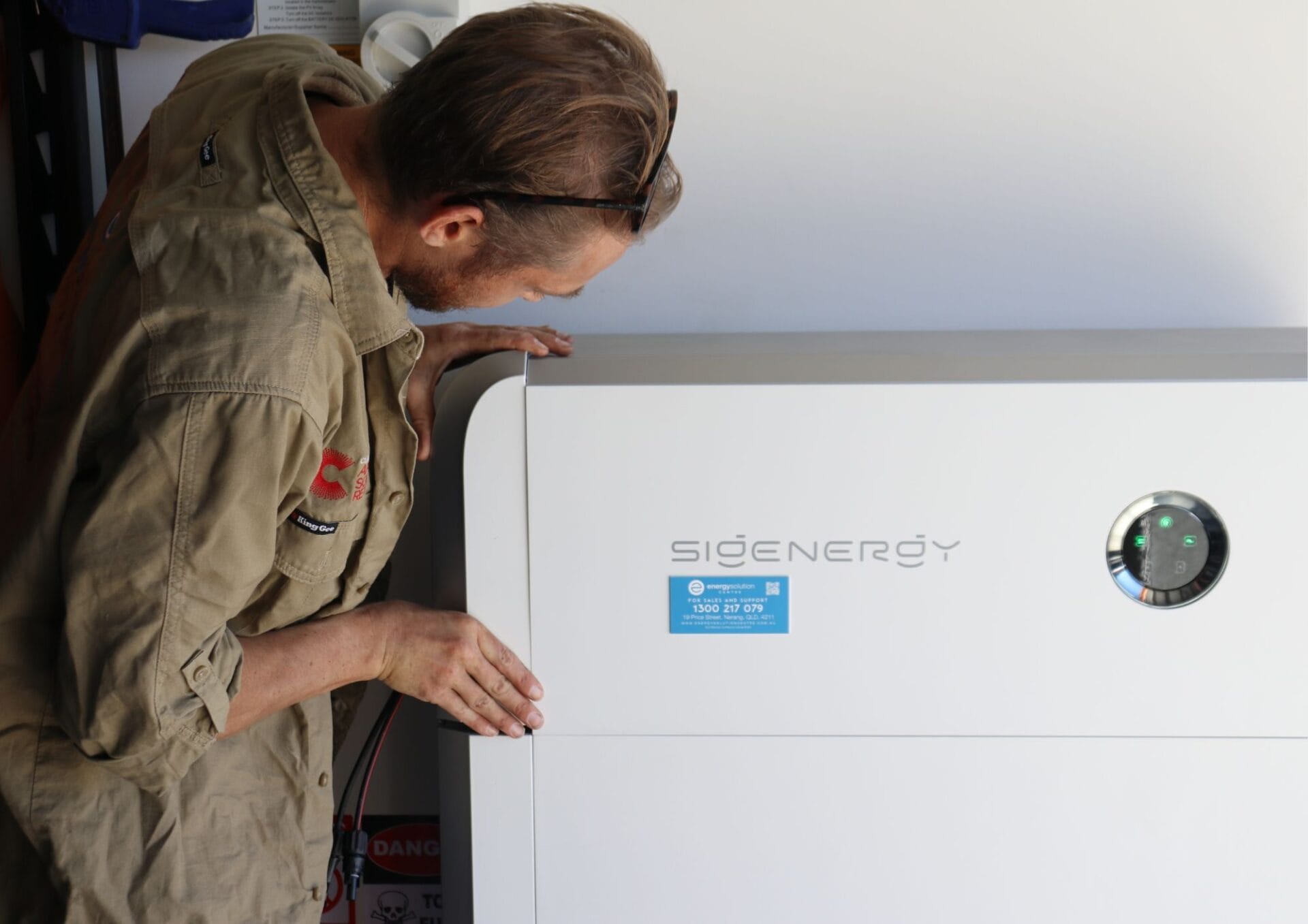
Who Is Eligible for the Government Battery Scheme
Eligibility for the federal battery rebate remains straightforward.
You must be installing the battery at a residential property in Australia. The battery must be on the Clean Energy Council's approved product list. Installation must be carried out by an accredited installer who can claim STCs on your behalf.
There's no income test. No means test. If you meet the above requirements, you're generally eligible.
The rebate applies when the system is installed with solar PV. Technically, STCs are calculated on usable battery capacity, and standalone batteries must still meet eligibility criteria to attract support, though most households pair batteries with existing or new solar systems.
Some Australians choose to combine the federal rebate with state-based incentives where available. These vary by jurisdiction, so it's worth checking what programs exist in your state or territory. Stacking incentives can boost total savings meaningfully.
Solar Batteries and Home Energy Storage Explained Simply
Here's the basic picture.
Putting panels on your roof generates solar power during the day. Without a battery, excess energy is usually exported back to the grid for a small feed-in tariff. Add household batteries and the story changes.
You store your own solar energy for later, like evenings and mornings. You use less electricity from the grid. You can reduce peak-time grid imports and save more on tariffs.
A home battery doesn't replace solar, but it complements it. And while the federal government solar rebate makes batteries more affordable, the real value for many households is being able to self-consume your own solar production, reduce reliance on grid power, and improve resilience during price spikes or outages.
At Energy Solution Centre, we've seen firsthand how bringing together solar panels and a right-sized battery can transform home energy profiles and deliver real savings over time. It's not just about the rebate. It's about how energy flows through your home and where your money goes each quarter.
NEED HELP WITH SOLAR BATTERY REBATES?
Drop by our Nerang showroom or explore our solar battery solutions. Our team can explain eligibility, usable capacity, and rebate outcomes for your home.
Is the Federal Government Solar Battery Rebate Worth It in 2026?
This is the question we hear most often, and the honest answer is this.
For many Australian households with solar and battery systems, adding storage does make financial sense with the rebate, especially where feed-in tariffs are low and electricity costs are high. The federal battery rebate significantly reduces the upfront cost and shortens the payback period compared with going without support.
Installing before May 1 2026 may deliver a higher rebate value per kWh compared with waiting later in the program. That's a fact, not pressure.
But battery technology is improving and prices have been trending lower. There's genuinely no one-size-fits-all answer. If a current quote stacks up financially based on your usage profile and rates, it can be reasonable to proceed. If you're still researching or want to explore different sizes, you don't need to make a rushed decision.
We always recommend homeowners get multiple quotes, understand the usable capacity (not just nominal), and consider long-term costs and savings before committing. The rebate helps. But it shouldn't be the only reason you install.
Your Next Step: Making an Informed Decision
The Albanese Government's $5 billion expansion of the federal government solar battery rebate isn't just a funding boost. It's confirmation that household batteries are central to Australia's energy transition through 2030.
The scheme now totals approximately $7.2 billion. It has already supported over 160,000 installations and added gigawatt-hour scale storage to Australian homes. And from May 1 2026, the structure changes to support more households with right-sized systems while continuing to provide meaningful rebates for larger batteries at tapered rates.
If you're considering a battery, focus on your energy usage first, your budget second, and timing third. The rebate helps, but it should support a decision that makes sense for your household, not drive it.
At Energy Solution Centre, we help homeowners understand their options without the pressure. If you're ready to explore how the federal government solar battery rebate applies to your home, start by talking with a reputable solar and battery installer who can:
- Confirm eligibility for your site
- Explain usable capacity and rebate calculations clearly
- Provide transparent quotes with and without available incentives
The opportunity is real. The funding is secured. And for Australian households, the next few years represent a clear pathway to more affordable, more resilient home energy storage.
Make a decision that works for your home and your future.

NEED HELP WITH THE SOLAR BATTERY REBATE ON THE GOLD COAST?
If you're based on the Gold Coast and researching solar batteries, Energy Solution Centre is here to help. We work with local homeowners every day to assess eligibility, explain usable capacity, and apply the solar battery rebate correctly—so you get the maximum benefit without the confusion. From tailored system design to accredited installation, we handle the entire process end to end.
Read our Gold Coast battery rebate guide or speak with our Gold Coast team for clear, obligation-free advice.
Frequently Asked Questions
Solar battery rebates and incentives explained
How much is the solar battery rebate in 2026?
+The rebate is calculated based on your battery’s usable capacity and the market value of Small-scale Technology Certificates (STCs) generated. Before May 1, 2026, rebates have been roughly $300+ per usable kWh. From May 1 onward, a tiered structure applies, with smaller batteries receiving higher per-kWh support.
When does the rebate reduce or end?
+From May 1, 2026, the rebate steps down every six months at a faster rate than previously. The program is funded through 2030, although the rebate value gradually declines over time to reflect falling battery costs.
Is this a subsidy or a loan?
+It’s a direct subsidy applied as a point-of-sale discount. You don’t repay it. The rebate is deducted from your purchase price when you install an eligible battery through an accredited installer.
Can it be combined with other incentives?
+Yes. The federal rebate can often be combined with state-based battery incentive programs where available. Rules vary by state, so it’s important to confirm the specifics with your installer and local energy authority.
View More of Our Popular Blogs
Want to Learn More?
Let Our Team of Energy Solution Specialists Design Your Dream Home Solar & Battery System
1300 217 079
info@energysolutioncentre.com.au
Get in Touch

menu
Keep in Touch
© Copyright 2024 Energy Solution Centre Pty Ltd All rights reserved - QLD Electrical Contractors License 90260 - ABN 84 163 501 488