

Proud to be a Sigenergy Platinum Installer


What is the NSW Home Energy Saver Program?
Home Energy Saver is a $557 million NSW Government initiative built to remove the single biggest barrier to home energy upgrades: the upfront cost. It replaces and expands the earlier Empowering Homes scheme, with a higher loan cap and a much higher income threshold, so far more households now qualify.
There are two parts:
The zero-interest loan
Up to $15,000 per property at 0% interest, repayable over up to 10 years. You repay only what you borrow. Loans are funded by the NSW Government and delivered by two approved finance providers, Brighte and Plenti. Applications are open now.
The discount
Up to $4,000 off eligible upgrades for households earning up to $80,000 a year or holding an eligible concession card. Discounts are delivered by Creditex and open later in 2026. If you want both, apply for the discount first, then use the loan to cover the remainder.

What Can the Loan Be Used For?
The program supports a broad list of approved upgrades rather than a single product:
- Rooftop solar systems
- Home battery storage
- Reverse-cycle air conditioning
- Heat pump hot water systems
- Insulation and draught-proofing
- Ceiling fans
- Switchboard upgrades
You can bundle multiple upgrades into one loan, provided the total stays within the $15,000 cap. The switchboard inclusion matters more than it looks. Older homes often need a switchboard upgrade before a battery or EV charger can be installed, and that cost has historically sat outside every rebate scheme.

Who is Eligible for the Loan?
To qualify for the zero-interest loan, you need to:
- Own the NSW property where the upgrade is installed, as an owner-occupier or a landlord
- Have a combined taxable household income of $210,000 or less
- Be an Australian citizen or permanent resident
- Pass the standard credit assessment of your chosen provider (Brighte or Plenti)
- Use an installer accredited under the New Energy Tech Consumer Code (NETCC)
Social and community housing and properties used for short-stay accommodation are excluded. Strata properties can apply, but you need owners corporation approval first.
The landlord inclusion is worth pausing on. Property investors with NSW rentals can finance solar or a battery interest-free, improve the property's appeal to tenants, and repay over a decade. Under the old Empowering Homes scheme, investors were locked out entirely.

How Does It Stack With the Federal Battery Rebate?
This is the part worth getting right, because the order of operations changes your numbers.
Program guidelines require any applicable federal and NSW incentives to be applied first. The federal Cheaper Home Batteries Program discount comes off your system price at the point of quote. The Home Energy Saver loan then covers what's left, up to $15,000.
A solar and battery package quoted at $22,000 with a 13.5 kWh usable battery attracts around $3,400 in federal support — bringing the price to roughly $18,600. Finance $15,000 of that interest-free and pay around $3,600 upfront. Avoiding interest on a 10-year, $15,000 loan saves in the order of $2,400 compared with a typical bank loan.
Worked example — current federal tier structure (~$250 per usable kWh for the first 14 kWh)One timing note worth knowing: the federal rebate steps down again on 1 January 2027, so the same battery installed next year attracts less support. The loan program has no such deadline, but the federal portion of your stack shrinks over time.
Is a Battery Worth Financing in NSW?
Feed-in tariffs across NSW continue to fall, which shifts the value of solar from exporting to storing. A battery lets you hold your daytime generation for the evening peak, when grid electricity is most expensive. For households with existing solar and high evening usage, a financed battery can start reducing bills from the first quarter, with repayments partly offset by the savings.
The NSW Government reports around 13,000 new battery installations across the state every month, which tells you where the market has moved.

What About Northern NSW?
Most coverage of this program is written for Sydney. If you're in Tweed Heads, Kingscliff, Pottsville, Murwillumbah or anywhere across the Tweed and Northern Rivers, the program works exactly the same way, and you have installer options beyond the Sydney market.
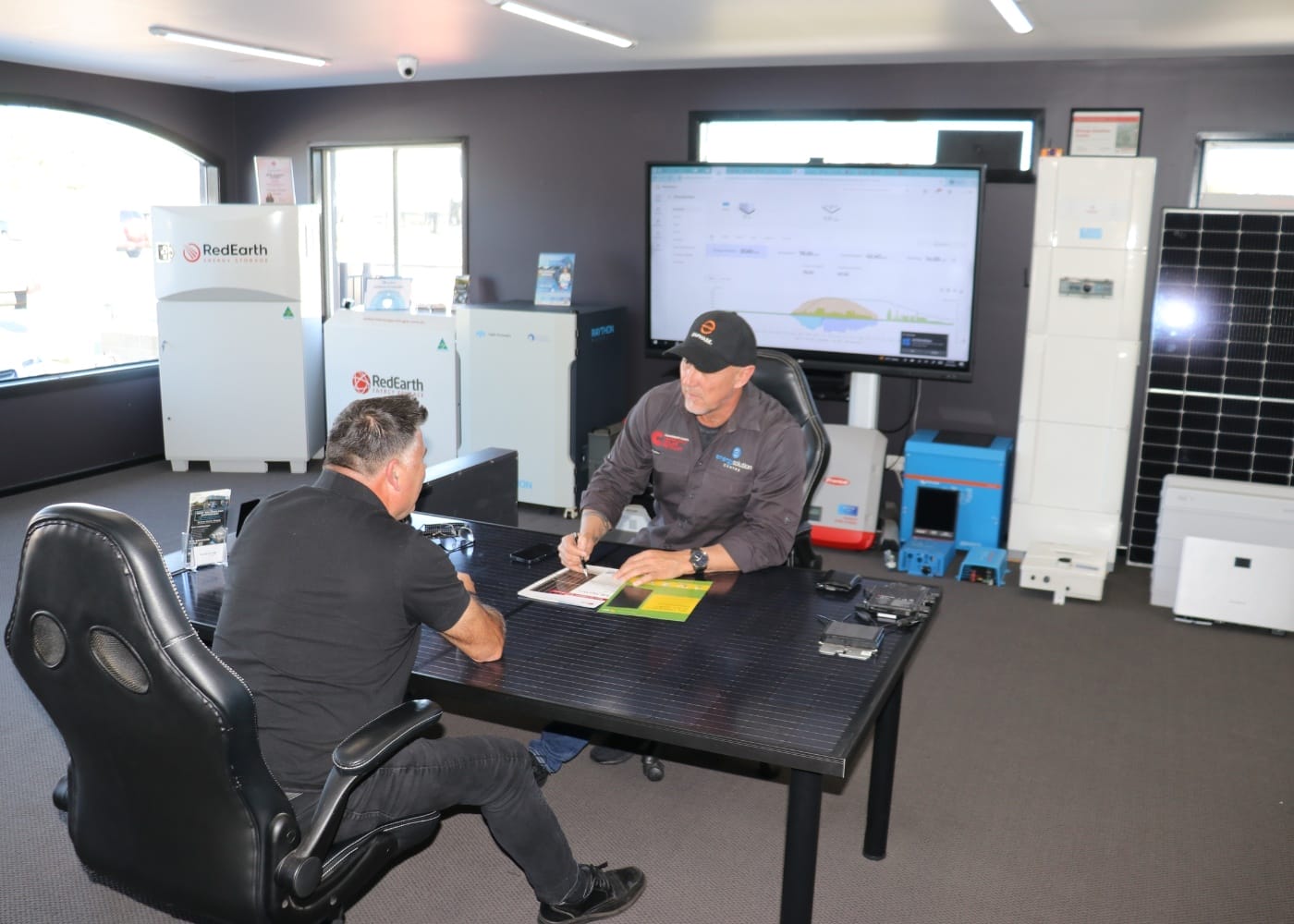
Energy Solution Centre has installed solar and battery systems across the Gold Coast and Northern NSW border region since 2005. We are fully licensed to carry out electrical work in NSW and are an approved seller. Our installations are carried out by in-house licensed electricians, never subcontractors, and every system carries our 10-year workmanship warranty. You can also see the equipment before you buy at our Nerang, Canungra or Chirn Park showrooms, all within an easy drive of the Tweed.
If you plan to use a Home Energy Saver loan for your upgrade, your chosen finance provider, Brighte or Plenti, confirms installer eligibility as part of your application. We can prepare your quote with federal rebates applied so you know exactly what amount you would be financing before you apply.

How to Apply
- Get a quote from a NETCC-accredited installer for your chosen upgrade
- Apply any federal or NSW rebates to the quote first
- Apply for the loan through Brighte or Plenti for the remaining amount
- Once approved, the finance provider pays the installer directly after you confirm the job is complete
If you're also eligible for the discount, wait for discount applications to open and apply for that before the loan.

Why Choose Energy Solution Centre?
Choosing the right installer is just as important as choosing the right battery.
Energy Solution Centre has built its reputation by delivering premium solar and battery solutions with a focus on quality, performance and long-term customer support.
Our experienced team can help you:
- Assess your home's energy usage
- Design the right solar and battery system
- Explain available finance options
- Assist with eligible incentive programs
- Install premium products
- Provide ongoing after-sales support
Whether you're upgrading an existing solar system or installing a complete energy solution, our goal is to help you maximise long-term savings and energy independence.
